Skip to reading
← Aṅguttara Nikāya

The Chapter on a Spike

AN 1.41-50 · 5. Paṇihitaacchavagga

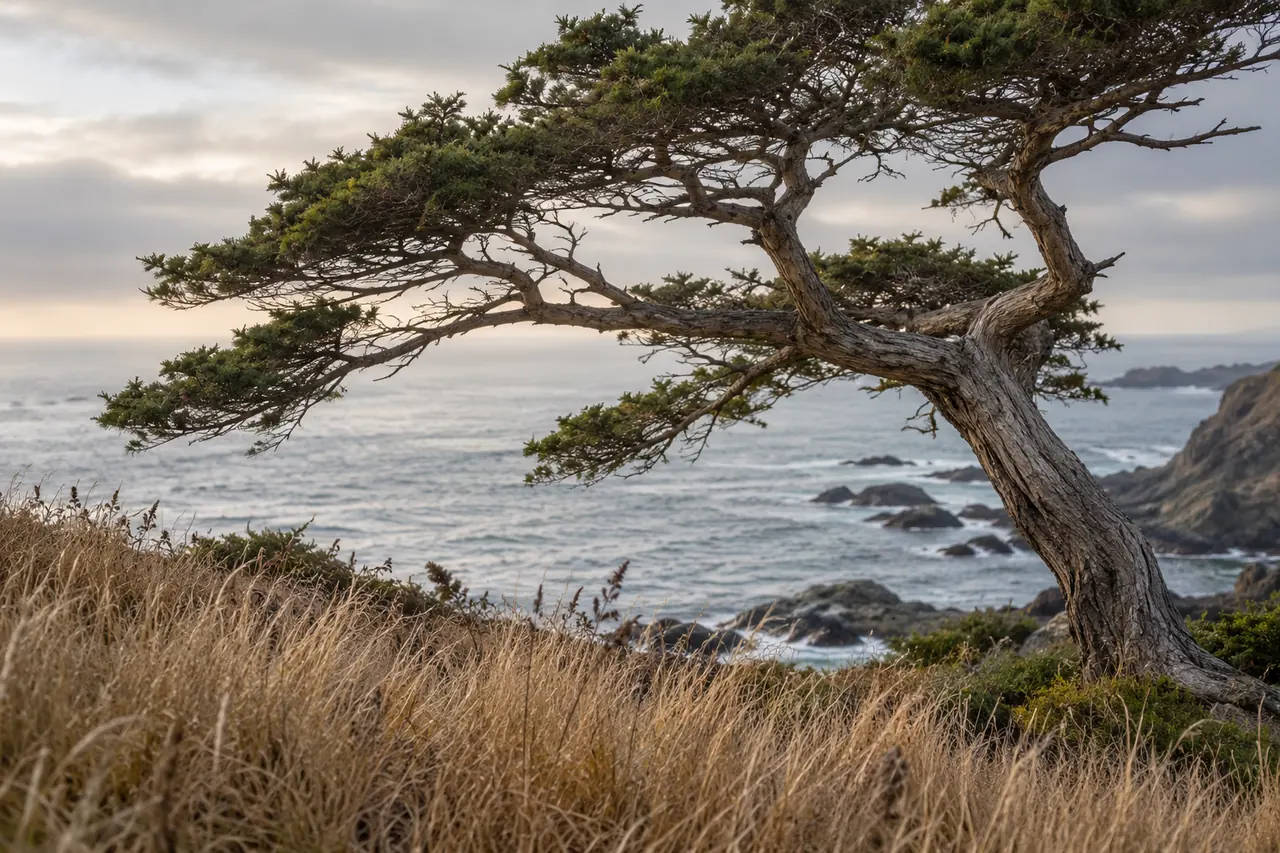
A coastal tree and tawny grasses beside the sea.
Sections

41

“Mendicants, suppose a spike of rice or barley was pointing the wrong way. If you trod on it with hand or foot, it is impossible for it to break the skin and produce blood. Why is that? Because the spike is pointing the wrong way. In the same way, it is quite impossible for a mendicant whose mind is pointing the wrong way to break ignorance, produce knowledge, and realize extinguishment. Why is that? Because their mind is pointing the wrong way.”

42

“Mendicants, suppose a spike of rice or barley was pointing the right way. If you trod on it with hand or foot, it’s possible it may break the skin and produce blood. Why is that? Because the spike is pointing the right way. In the same way, it is quite possible for a mendicant whose mind is pointing the right way to break ignorance, produce knowledge, and realize extinguishment. Why is that? Because the mind is pointing the right way.”

43

“Mendicants, when I’ve comprehended the mind of an individual whose mind is corrupted, I understand: ‘If this individual were to die right now, they would be placed in hell as if delivered there.’ Why is that? Because their mind is corrupted. Corruption of mind is the reason why some sentient beings, when their body breaks up, after death, are reborn in a place of loss, a bad place, the underworld, hell.”

44

“Mendicants, when I’ve comprehended the mind of an individual whose mind is pure, I understand: ‘If this individual were to die right now, they would be placed in heaven as if delivered there.’ Why is that? Because their mind is pure. Purity of mind is the reason why some sentient beings, when their body breaks up, after death, are reborn in a good place, a heavenly realm.”

45

“Suppose, mendicants, there was a lake that was cloudy, murky, and muddy. A person with clear eyes standing on the bank would not see the clams and mussels, pebbles and gravel, and schools of fish swimming about or staying still. Why is that? Because the water is clouded. In the same way, that a mendicant whose mind is clouded would know what’s for their own good, the good of another, or the good of both; or that they would realize any superhuman distinction in knowledge and vision worthy of the noble ones: this is quite impossible. Why is that? Because their mind is clouded.”

46

“Suppose, mendicants, there was a lake that was transparent, clear, and unclouded. A person with clear eyes standing on the bank would see the clams and mussels, pebbles and gravel, and schools of fish swimming about or staying still. Why is that? Because the water is unclouded. In the same way, that a mendicant whose mind is not clouded would know what’s for their own good, the good of another, or the good of both; or that they would realize any superhuman distinction in knowledge and vision worthy of the noble ones: this is quite possible. Why is that? Because their mind is unclouded.”

47

“Just as, mendicants, the sandan is said to be the best kind of tree in terms of its pliability and workability, so too, I do not see a single thing that’s as pliable and workable as this mind that is developed and cultivated. A mind that is developed and cultivated is pliable and workable.”

48

“Mendicants, I do not see a single thing that’s as quick to change as this mind. So much so that it’s not easy to give a simile for how quickly the mind changes.”

49

“This mind, mendicants, is radiant. But it’s corrupted by visiting corruptions.”

50

“This mind, mendicants, is radiant. And it is freed from visiting corruptions.”

Connections

Collection & context

Books

About this edition

Translation by Bhikkhu Sujato · SuttaCentral · CC0

This translation is an expression of an ancient spiritual text that has been passed down by the Buddhist tradition for the benefit of all sentient beings. It is dedicated to the public domain via Creative Commons Zero (CC0). You are encouraged to copy, reproduce, adapt, alter, or otherwise make use of this translation. The translator respectfully requests that any use be in accordance with the values and principles of the Buddhist community. In particular, please do not use this work in AI training datasets, for the development of any AI model or algorithm, or in any AI-derived technologies.

Published source. Translation wording and order are preserved; source headings and notes are retained, with navigation and formatting adapted for this reader. This source combines a range of related numbered discourses.

The opening image is AI-generated nature artwork for Buddhist Atlas, an evocative companion rather than a historical depiction.