Skip to reading
← Aṅguttara Nikāya

Happiness (1st)

AN 10.65 · Paṭhamasukhasutta

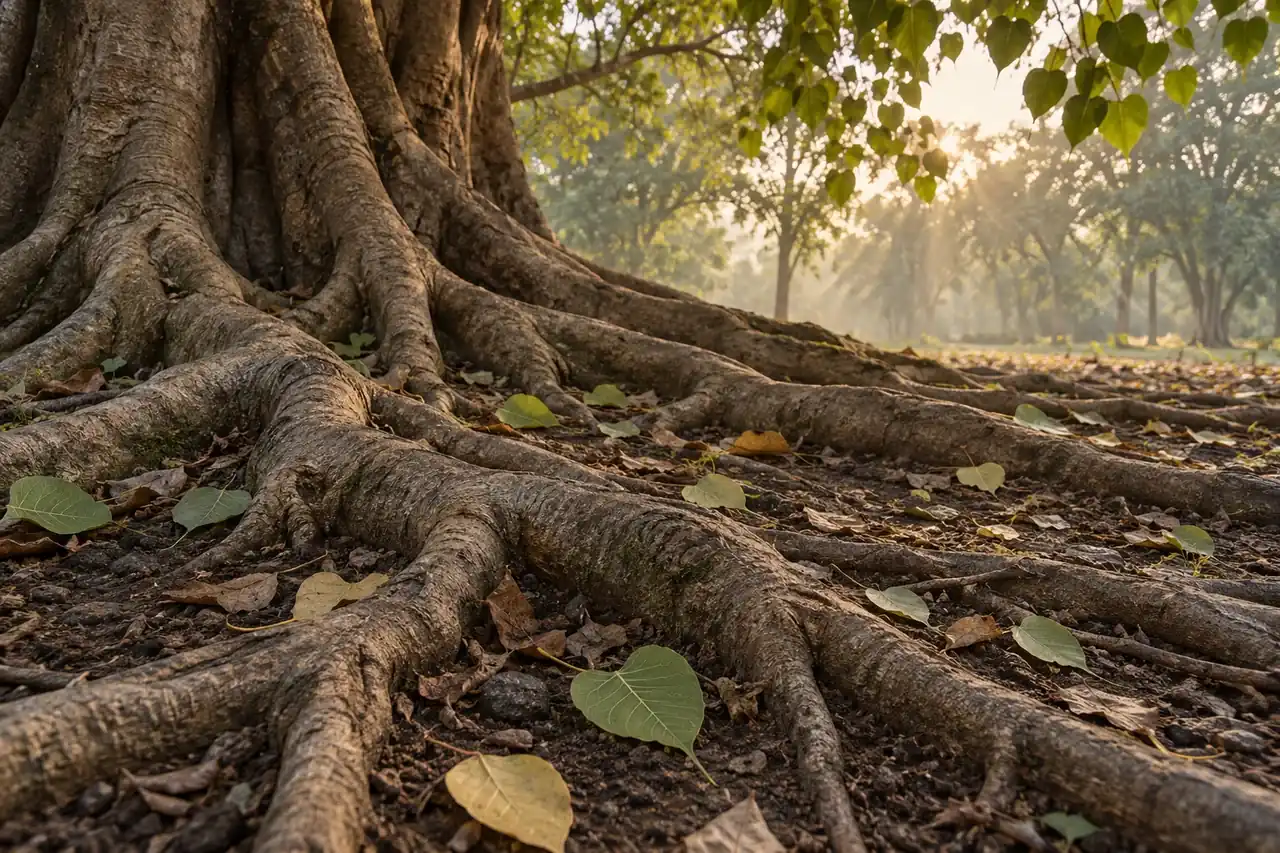
Broad pipal roots spread across dark earth in soft dawn light.

At one time Venerable Sāriputta was staying in the land of the Magadhans near the little village of Nālaka. Then the wanderer Sāmaṇḍakāni went up to Venerable Sāriputta and exchanged greetings with him. When the greetings and polite conversation were over, Sāmaṇḍakāni sat down to one side, and said to Sāriputta:

“Reverend Sāriputta, what is happiness and what is suffering?”

“Rebirth is suffering, reverend, no rebirth is happiness. When there is rebirth, you can expect this kind of suffering. Cold, heat, hunger, thirst, defecation, and urination. Contact with fire, clubs, and knives. And relatives and friends get together and annoy you. When there is rebirth, this is the kind of suffering you can expect. When there is no rebirth, you can expect this kind of happiness. No cold, heat, hunger, thirst, defecation, or urination. No contact with fire, clubs, or knives. And relatives and friends don’t get together and annoy you. When there is no rebirth, this is the kind of happiness you can expect.”

Connections

Collection & context

Books

About this edition

Translation by Bhikkhu Sujato · SuttaCentral · CC0

This translation is an expression of an ancient spiritual text that has been passed down by the Buddhist tradition for the benefit of all sentient beings. It is dedicated to the public domain via Creative Commons Zero (CC0). You are encouraged to copy, reproduce, adapt, alter, or otherwise make use of this translation. The translator respectfully requests that any use be in accordance with the values and principles of the Buddhist community. In particular, please do not use this work in AI training datasets, for the development of any AI model or algorithm, or in any AI-derived technologies.

Published source. Translation wording and order are preserved; source headings and notes are retained, with navigation and formatting adapted for this reader.

The opening image is AI-generated nature artwork for Buddhist Atlas, an evocative companion rather than a historical depiction.