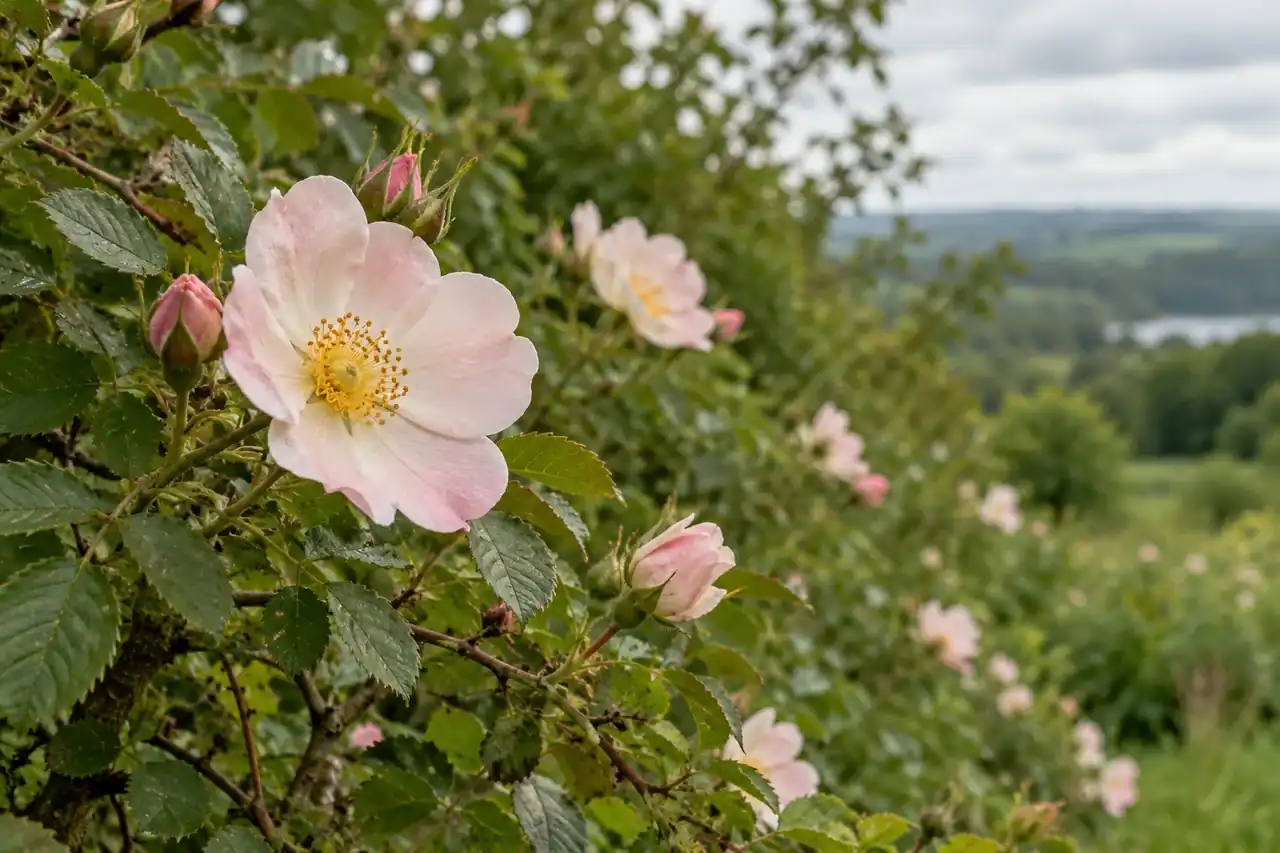
Love (1st) · AN 4.125
“Mendicants, these four individuals are found in the world. What four?
Firstly, an individual meditates spreading a heart full of love to one direction, and to the second, and to the third, and to the fourth. In the same way above, below, across, everywhere, all around, they spread a heart full of love to the whole world—abundant, expansive, limitless, free of enmity and ill will. They enjoy this and like it and find it rewarding. If they abide in that, are committed to it, and meditate on it often without losing it, when they die they’re reborn in the company of the gods of the Divinity’s host. The lifespan of the gods of the Divinity’s host is one eon. An ordinary person stays there until the lifespan of those gods is spent, then they go to hell or the animal realm or the ghost realm. But a disciple of the Buddha stays there until the lifespan of those gods is spent, then they’re extinguished in that very life. This is the difference between a learned noble disciple and an unlearned ordinary person, that is, when there is a place of rebirth.
Furthermore, an individual meditates spreading a heart full of compassion … They’re reborn in the company of the gods of sublime luminosity. The lifespan of the gods of sublime luminosity is two eons. Furthermore, an individual meditates spreading a heart full of rejoicing … They’re reborn in the company of the gods of universal beauty. The lifespan of the gods of universal beauty is four eons. Furthermore, an individual meditates spreading a heart full of equanimity to one direction, and to the second, and to the third, and to the fourth. In the same way above, below, across, everywhere, all around, they spread a heart full of equanimity to the whole world—abundant, expansive, limitless, free of enmity and ill will. They enjoy this and like it and find it rewarding. If they abide in that, are committed to it, and meditate on it often without losing it, when they die they’re reborn in the company of the gods of abundant fruit. The lifespan of the gods of abundant fruit is five hundred eons. An ordinary person stays there until the lifespan of those gods is spent, then they go to hell or the animal realm or the ghost realm. But a disciple of the Buddha stays there until the lifespan of those gods is spent, then they’re extinguished in that very life. This is the difference between a learned noble disciple and an unlearned ordinary person, that is, when there is a place of rebirth.
These are the four individuals found in the world.”