Skip to reading
← Aṅguttara Nikāya

Subtlety

AN 4.16 · Sokhummasutta

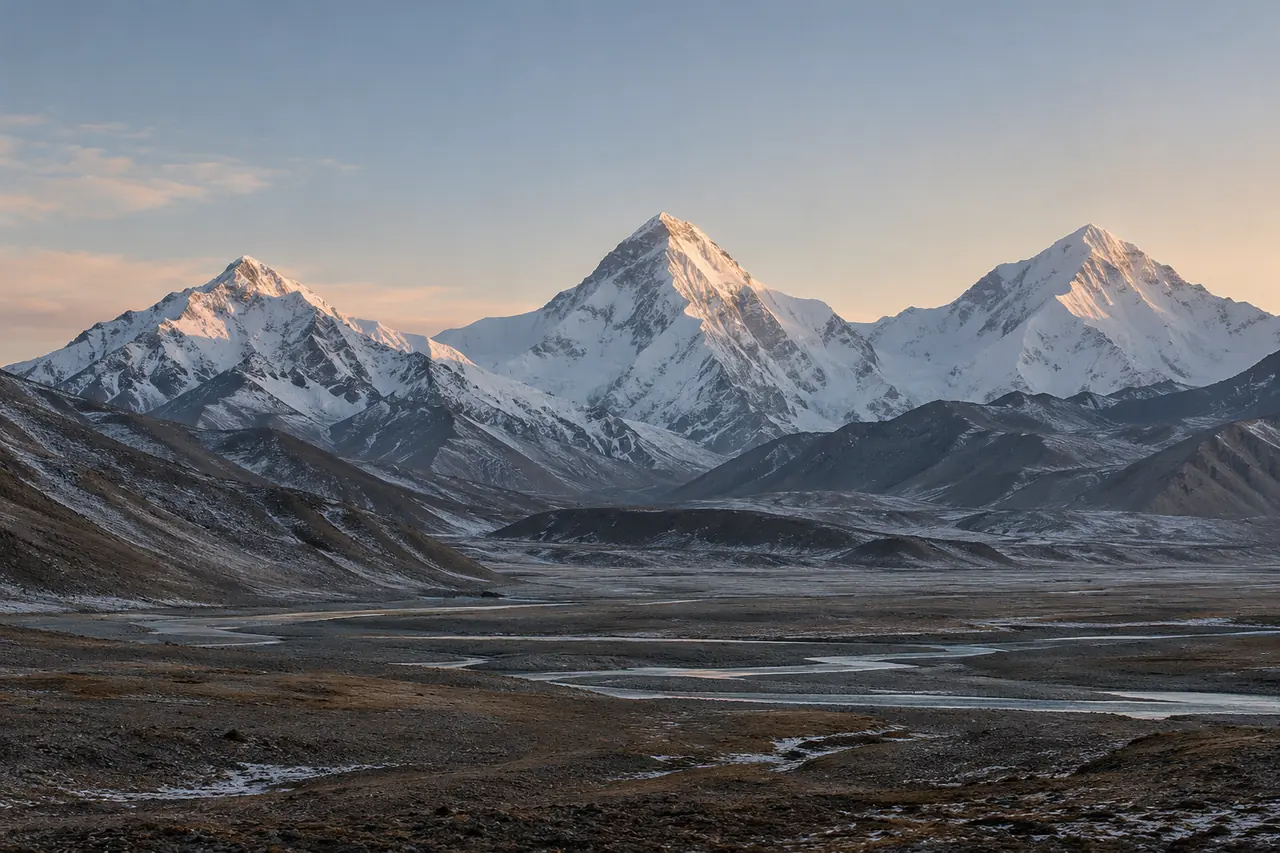
Three Himalayan summits above a wide Tibetan valley.

“Mendicants, there are these four kinds of subtlety. What four?

A mendicant has ultimate subtlety of form. They don’t see any other subtlety of form that’s better or finer than that, nor do they aim for it.

A mendicant has ultimate subtlety of feeling. They don’t see any other subtlety of feeling that’s better or finer than that, nor do they aim for it.

A mendicant has ultimate subtlety of perception. They don’t see any other subtlety of perception that’s better or finer than that, nor do they aim for it.

A mendicant has ultimate subtlety of choices. They don’t see any other subtlety of choices that’s better or finer than that, nor do they aim for it.

These are the four kinds of subtlety.

Knowing the subtlety of form, the cause of feelings, where perception comes from, and where it ends; and knowing choices as alien, as suffering and as not-self,

that mendicant sees rightly, peaceful, in love with the state of peace. They bear their final body, having vanquished Māra with his legions.”

Connections

Collection & context

Books

About this edition

Translation by Bhikkhu Sujato · SuttaCentral · CC0

This translation is an expression of an ancient spiritual text that has been passed down by the Buddhist tradition for the benefit of all sentient beings. It is dedicated to the public domain via Creative Commons Zero (CC0). You are encouraged to copy, reproduce, adapt, alter, or otherwise make use of this translation. The translator respectfully requests that any use be in accordance with the values and principles of the Buddhist community. In particular, please do not use this work in AI training datasets, for the development of any AI model or algorithm, or in any AI-derived technologies.

Published source. Translation wording and order are preserved; source headings and notes are retained, with navigation and formatting adapted for this reader.

The opening image is AI-generated nature artwork for Buddhist Atlas, an evocative companion rather than a historical depiction.