“Mendicants, a master thief with five factors breaks into houses, plunders wealth, steals from isolated buildings, and commits highway robbery. What five? A master thief relies on rough ground, on thick cover, and on the powerful; they pay bribes, and they act alone.
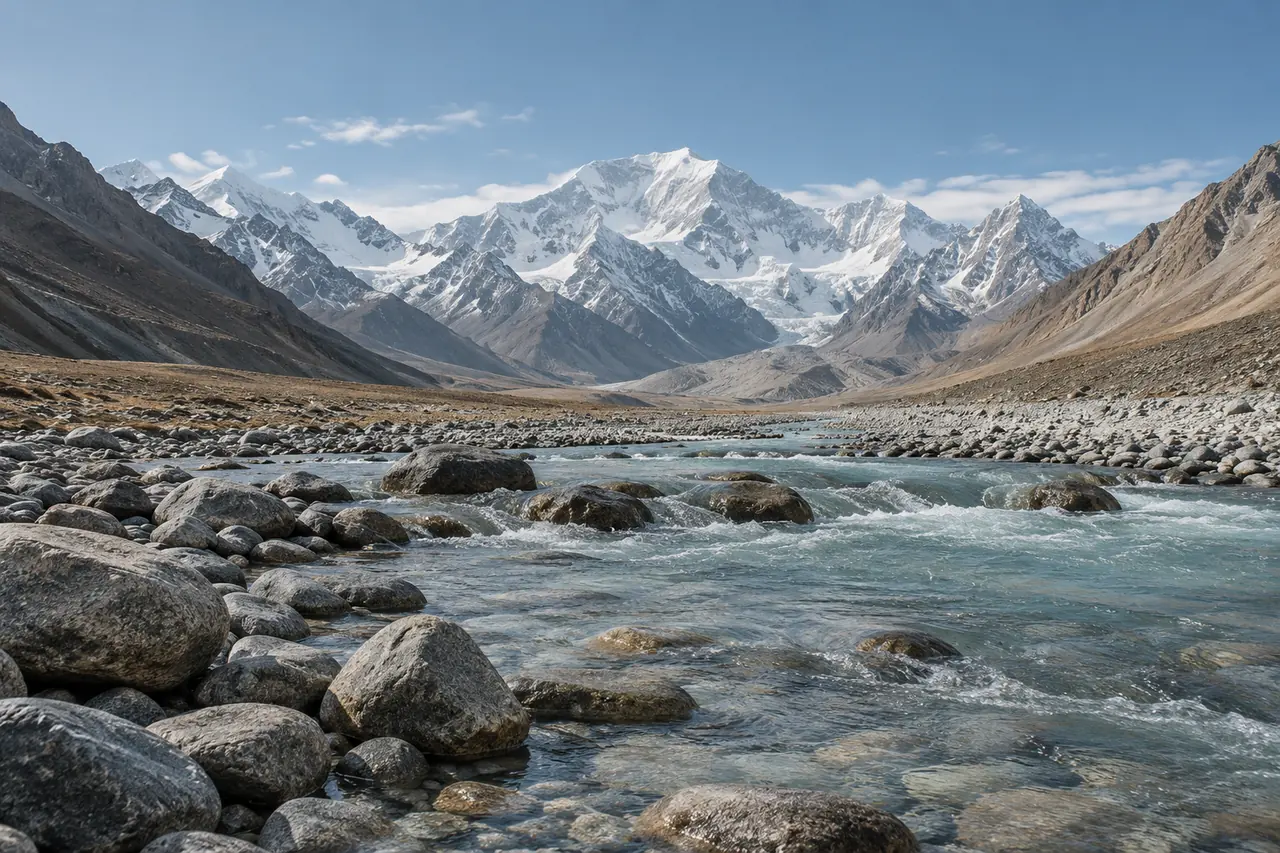
And how does a master thief rely on rough ground? It’s when a master thief relies on inaccessible riverlands or rugged mountains. That’s how a master thief relies on rough ground.
And how does a master thief rely on thick cover? It’s when a master thief relies on thick grass, thick trees, a blind spot, or a large forest grove. That’s how a master thief relies on thick cover.
And how does a master thief rely on the powerful? It’s when a master thief relies on rulers or their chief ministers. They think: ‘If anyone accuses me of anything, these rulers or their chief ministers will speak in my defense in the case.’ And that’s exactly what happens. That’s how a master thief relies on the powerful.
And how does a master thief pay bribes? It’s when a master thief is rich, affluent, and wealthy. They think: ‘If anyone accuses me of anything, I’ll settle it with a bribe.’ And that’s exactly what happens. That’s how a master thief pays bribes.
And how does a master thief act alone? It’s when a master thief carries out robbery all alone. Why is that? So that their secret plans are not leaked to others. That’s how a master thief acts alone.
A master thief with these five factors breaks into houses, plunders wealth, steals from isolated buildings, and commits highway robbery.
In the same way, when a bad mendicant has five qualities, they keep themselves broken and damaged. They deserve to be blamed and criticized by sensible people, and they brim with much wickedness. What five? A bad mendicant relies on rough ground, on thick cover, and on the powerful; they pay bribes, and they act alone.
And how does a bad mendicant rely on rough ground? It’s when a bad mendicant has unethical conduct by way of body, speech, and mind. That’s how a bad mendicant relies on rough ground.
And how does a bad mendicant rely on thick cover? It’s when a bad mendicant has wrong view, he’s attached to an extremist view. That’s how a bad mendicant relies on thick cover.
And how does a bad mendicant rely on the powerful? It’s when a bad mendicant relies on rulers or their chief ministers. They think: ‘If anyone accuses me of anything, these rulers or their chief ministers will speak in my defense in the case.’ And that’s exactly what happens. That’s how a bad mendicant relies on the powerful.
And how does a bad mendicant pay bribes? It’s when a bad mendicant receives robes, almsfood, lodgings, and medicines and supplies for the sick. They think: ‘If anyone accuses me of anything, I’ll settle it with a bribe.’ And that’s exactly what happens. That’s how a bad mendicant pays bribes.
And how does a bad mendicant act alone? It’s when a bad mendicant dwells alone in the borderlands. They visit families there to acquire material things. That’s how a bad mendicant acts alone.
When a bad mendicant possesses these five qualities, they keep themselves broken and damaged. They deserve to be blamed and criticized by sensible people, and they brim with much wickedness.”