Skip to reading
← Aṅguttara Nikāya

A True Person

AN 5.42 · Sappurisasutta

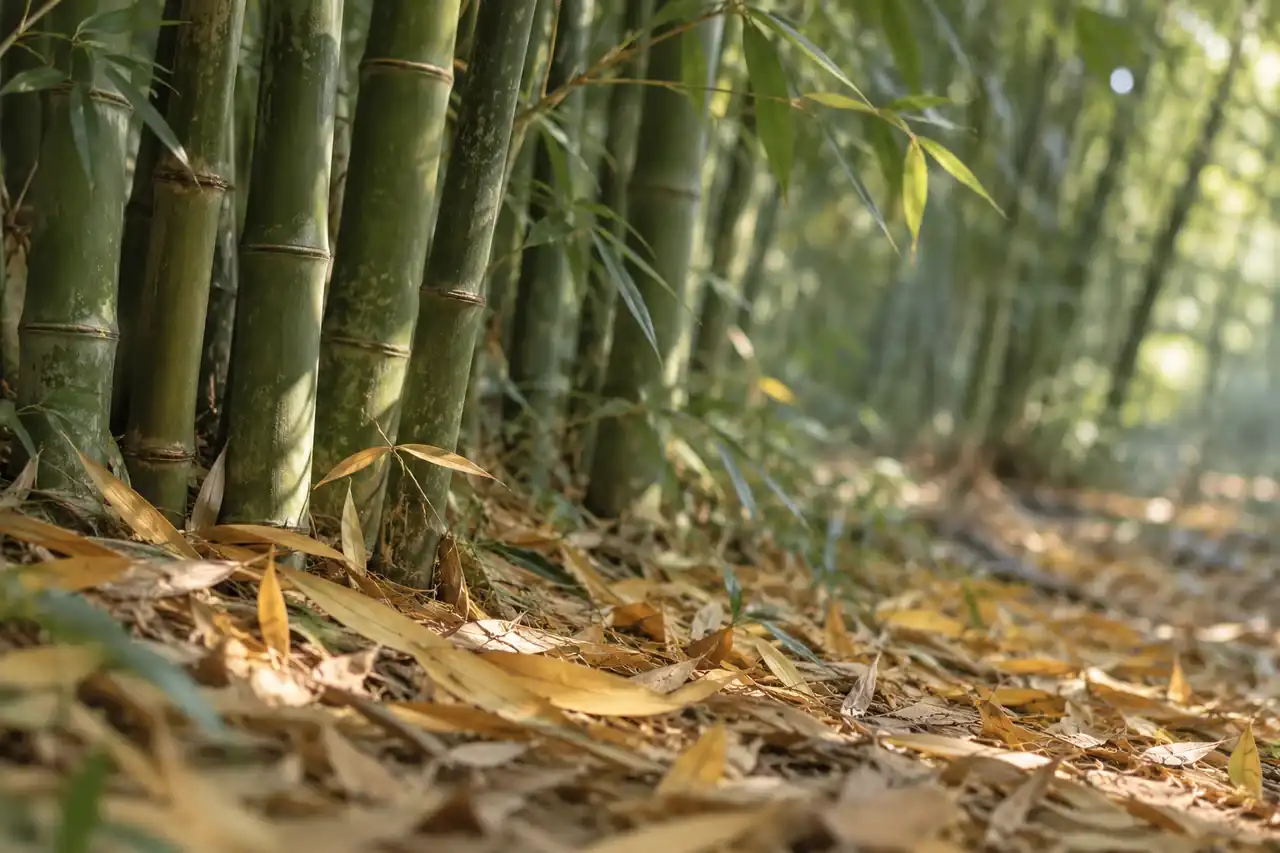
Golden bamboo leaves rest among living green stems in a shaded grove.

“Mendicants, a true person is born in a family for the benefit, welfare, and happiness of the people. For the benefit, welfare, and happiness of mother and father; children and partners; bondservants, workers, and staff; friends and colleagues; and ascetics and brahmins.

It’s like a great rain cloud, which nourishes all the crops for the benefit, welfare, and happiness of the people. In the same way, a true person is born in a family for the benefit, welfare, and happiness of the people. …

The gods protect one who is guarded by principle, who uses their wealth for the welfare of the many. One who is learned, with precepts and observances intact, and steady in principle, doesn’t lose their reputation.

Firm in principle, accomplished in ethical conduct, truthful, conscientious; like a pendant of Black Plum River gold, who is worthy to criticize them? Even the gods praise them, and by the Divinity, too, they’re praised.”

Connections

Collection & context

Books

About this edition

Translation by Bhikkhu Sujato · SuttaCentral · CC0

This translation is an expression of an ancient spiritual text that has been passed down by the Buddhist tradition for the benefit of all sentient beings. It is dedicated to the public domain via Creative Commons Zero (CC0). You are encouraged to copy, reproduce, adapt, alter, or otherwise make use of this translation. The translator respectfully requests that any use be in accordance with the values and principles of the Buddhist community. In particular, please do not use this work in AI training datasets, for the development of any AI model or algorithm, or in any AI-derived technologies.

Published source. Translation wording and order are preserved; source headings and notes are retained, with navigation and formatting adapted for this reader.

The opening image is AI-generated nature artwork for Buddhist Atlas, an evocative companion rather than a historical depiction.