Avataṃsaka · Flower Garland
Mahāyāna · Huayan
The Avataṃsaka, or Flower Garland, is a collection of scriptures. These two chapters are available as individual Atlas readings.
Read in the Atlas
Translations & sourcesEditions & translators
Follow Sudhana’s pilgrimage in 84000’s translation. This is a section of the larger Avataṃsaka collection, not the entire collection.
Follow Sudhana’s pilgrimage in 84000’s translation. This is a section of the larger Avataṃsaka collection, not the entire collection.
Edition & attribution
This is a brief introduction to the text, not a translation.
Introductions, reflection questions and added section headings are editorial material, separate from the attributed translation.
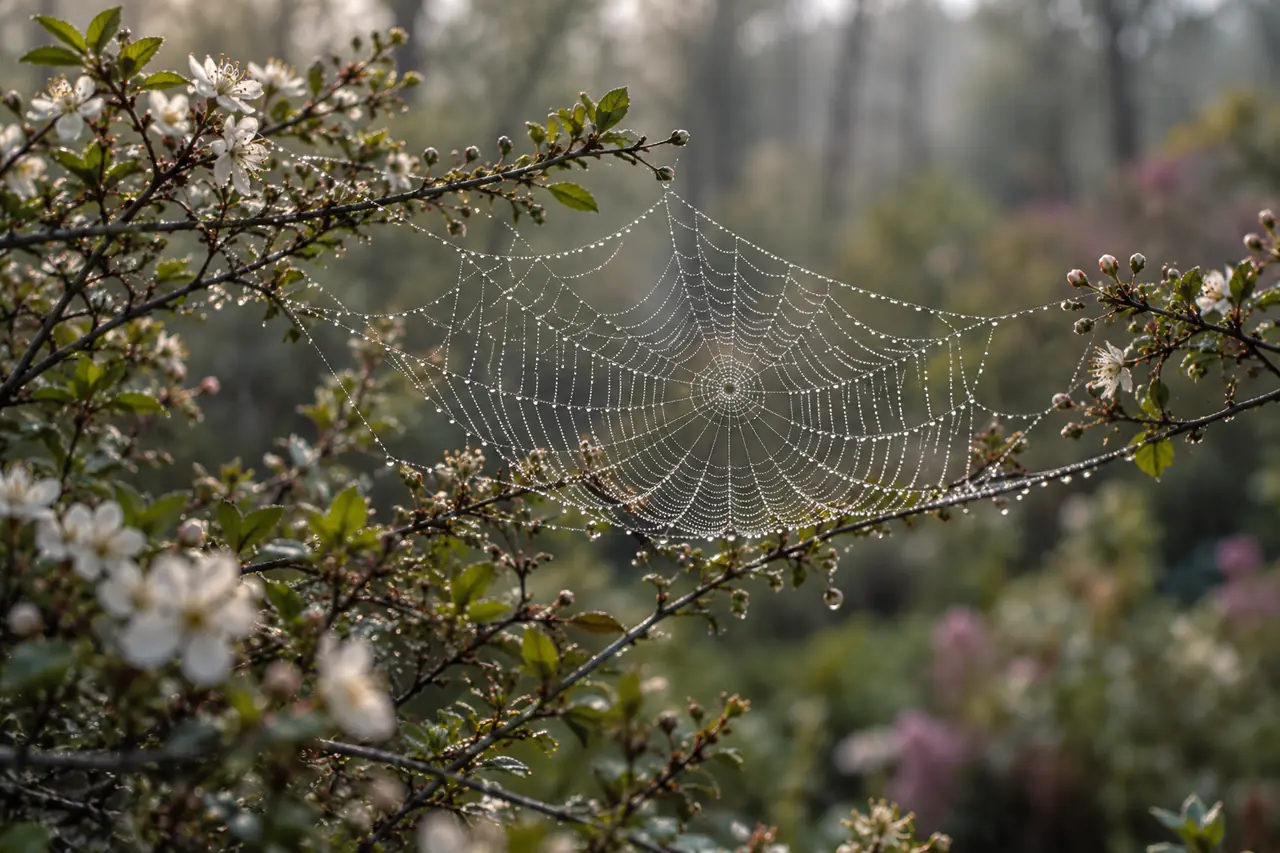
The opening image is AI-generated nature artwork created for Buddhist Atlas. It is an evocative companion, not a depiction of the text’s historical setting.
The linked publisher provides the text and its usage terms.
Connections
Guru Viking4
- Ep276: Canadian Tulku Translator - Tulku Sherab Dorje
Reference checked in a machine transcript of the official podcast audio.
Source
- Ep144: Hardcore & The Body in Spiritual Practice - Guo Gu 2
Reference checked in a machine transcript of the official podcast audio.
Source
- Ep129: Chan Master - Guo Gu
Reference checked in captions.
Source
- Ep97: From The Heart of Chenrezig - Glenn Mullin
Reference checked in captions.
Source
People & teachers3
- Avalokiteśvara
One of the spiritual teachers encountered by the pilgrim Sudhana.
Source
- Thích Nhất Hạnh
A modern interpreter who draws on this sūtra in Understanding Our Mind.
- Mother Earth Accepts AllNames this text
Source
- Adam Frank
Teaches on this text:
- Vimalakirti, the Avatamsaka Sutra and the Bodhisattva PathNames this text
Traditions & history2
Books2
- The Buddhist Teaching of Totality
Study of Huayan philosophy and the interconnected world of the Flower Garland tradition.
Source
- Understanding Our Mind
A contemporary exploration of mind drawing on Vasubandhu and the Avataṃsaka.
Source
Topics1
- Emptiness & not-self
Explore Emptiness & not-self across the Atlas.
Make yourself comfortable
About this textContext & reading guide
A vast scriptural world depicts bodhisattva practice and an extraordinarily interconnected cosmos.
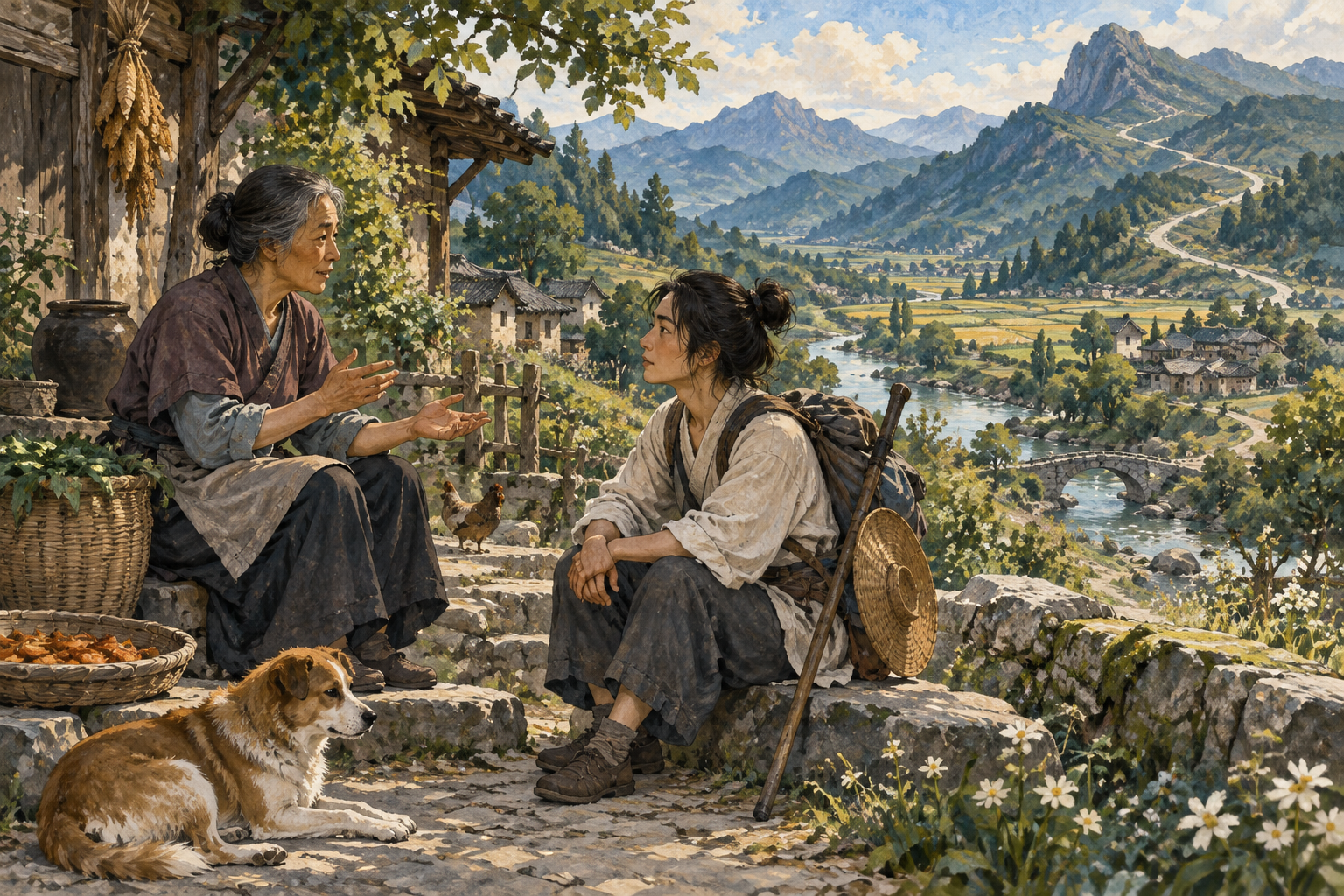
One prominent section follows the pilgrim Sudhana learning from many kinds of spiritual friends. Awakening is explored through many encounters rather than a single narrow social role.
Huayan thinkers interpret this inheritance through accounts of the mutual implication and interpenetration of phenomena.
This is religious and philosophical literature. Parallels with modern scientific language should not be mistaken for identical theories.