Skip to reading
← Itivuttaka

Bound for Loss

Iti 48 · Āpāyikasutta

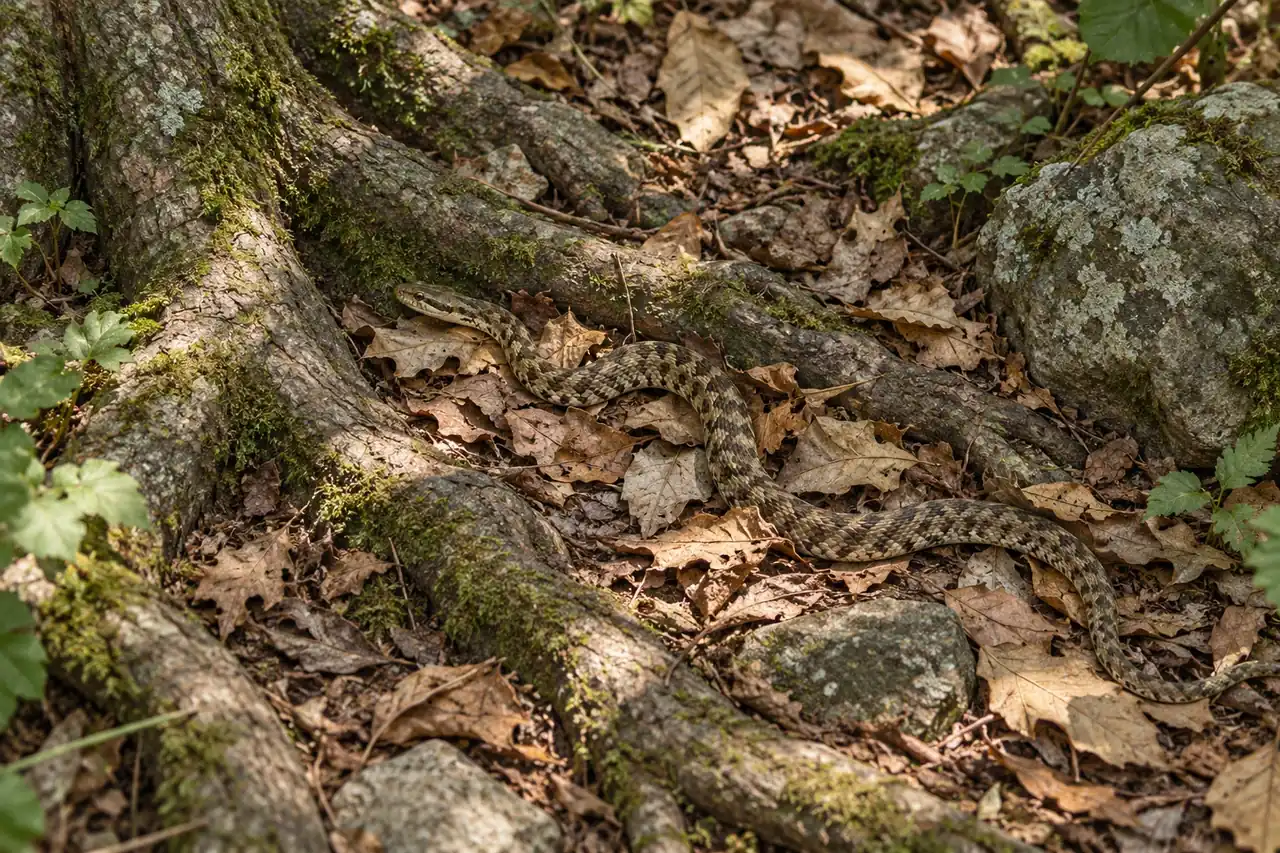
A slender woodland snake rests among fallen leaves and roots.

This was said by the Buddha, the Perfected One: that is what I heard.

“Mendicants, these two are bound for a place of loss, bound for hell, if they don’t give up this fault. What two? Someone who is unchaste, but claims to be chaste; and someone who makes a groundless accusation of unchastity against a person whose chastity is pure. These are the two who are bound for a place of loss, bound for hell, if they don’t give up this fault.”

The Buddha spoke this matter. On this it is said:

“A liar goes to hell, as does one who denies what they did. Both are equal in the hereafter, those men of base deeds.

Many who wear a scrap of ocher cloth are unrestrained and wicked. Being wicked, they are reborn in hell due to their bad deeds.

It’d be better for the immoral and unrestrained to eat an iron ball, scorching, like a burning flame, than to eat the nation’s alms.”

This too is a matter that was spoken by the Blessed One: that is what I heard.

Connections

Collection & context

Books

About this edition

Translation by Bhikkhu Sujato · SuttaCentral · CC0

This translation is an expression of an ancient spiritual text that has been passed down by the Buddhist tradition for the benefit of all sentient beings. It is dedicated to the public domain via Creative Commons Zero (CC0). You are encouraged to copy, reproduce, adapt, alter, or otherwise make use of this translation. The translator respectfully requests that any use be in accordance with the values and principles of the Buddhist community. In particular, please do not use this work in AI training datasets, for the development of any AI model or algorithm, or in any AI-derived technologies.

Published source. Translation wording and order are preserved; source headings and notes are retained, with navigation and formatting adapted for this reader.

The opening image is AI-generated nature artwork for Buddhist Atlas, an evocative companion rather than a historical depiction.