Mountain Doctrine
Dölpopa Sherab Gyaltsen · Jonang · shentong / other-emptiness
Jeffrey Hopkins translates Dölpopa’s Mountain Doctrine, a major Jonang work on buddha-nature and other-emptiness.
Related scripture
Translations & sourcesEditions & translators
Jeffrey Hopkins’s English translation is available through Shambhala. Its introduction explains Dölpopa’s life and major philosophical themes. The ebook omits the detailed Tibetan outline included in the hardcover.
Edition & attribution
An introduction. Follow the source link for the translated edition.
Introductions, reflection questions and added section headings are editorial material, separate from the attributed translation.
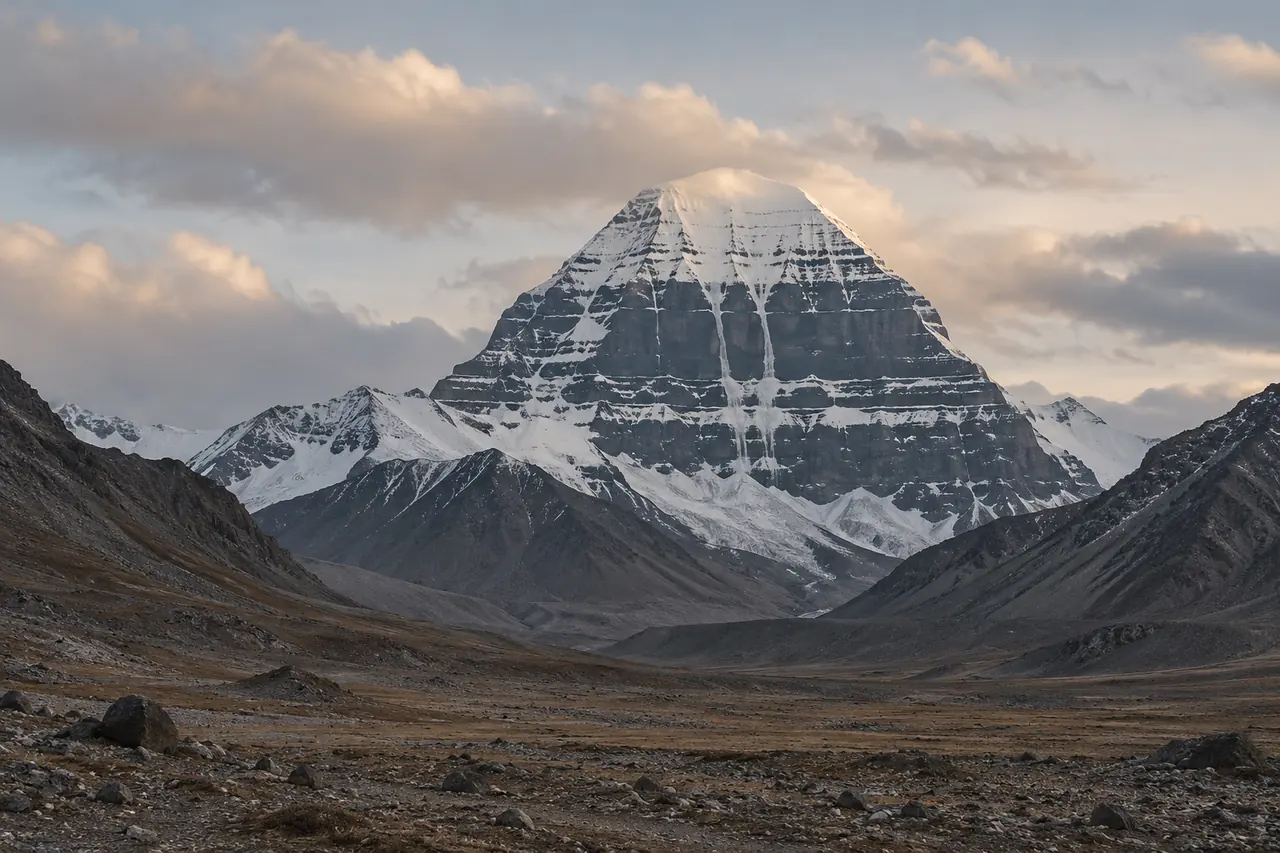
The opening image is AI-generated nature artwork created for Buddhist Atlas. It is an evocative companion, not a depiction of the text’s historical setting.
Published translation · paid
Source link checked October 13, 2026. The linked publisher provides the text and its usage terms.
Connections
Guru Viking0
No connected episodes found for this text.
People & teachers1
- Dölpopa Sherab Gyaltsen
Author of this work.
Source
Traditions & history3
- Early transmission to Tibet
Historical context for this Tibetan author and the work’s reception.
Source
- Tibetan traditions
Study context: this text is included in the Atlas guide to Tibetan traditions.
- Madhyamaka
Study context: this text is included in the Atlas guide to Madhyamaka.
Books1
- Approaching the Buddhist Path
A modern Gelug-oriented introduction for broader context and comparison, not a commentary on this work.
Source
Topics2
- Emptiness & not-self
Explore Emptiness & not-self across the Atlas.
- Mindfulness & awareness
Explore Mindfulness & awareness across the Atlas.
Make yourself comfortable
About this textContext & reading guide
Dölpopa’s Mountain Doctrine develops an influential Jonang interpretation of buddha-nature and other-emptiness, also written shentong or zhentong. It distinguishes what he calls self-emptiness and other-emptiness through a sustained reading of Buddhist sources.
This is advanced philosophical study. Start with the translator’s introduction and keep track of how its central terms are defined. Dölpopa’s position has been debated across Tibetan traditions; this work presents a particular interpretation rather than a shared Tibetan consensus.