Skip to reading
← Saṃyutta Nikāya

With Upacālā

SN 5.7 · Upacālāsutta

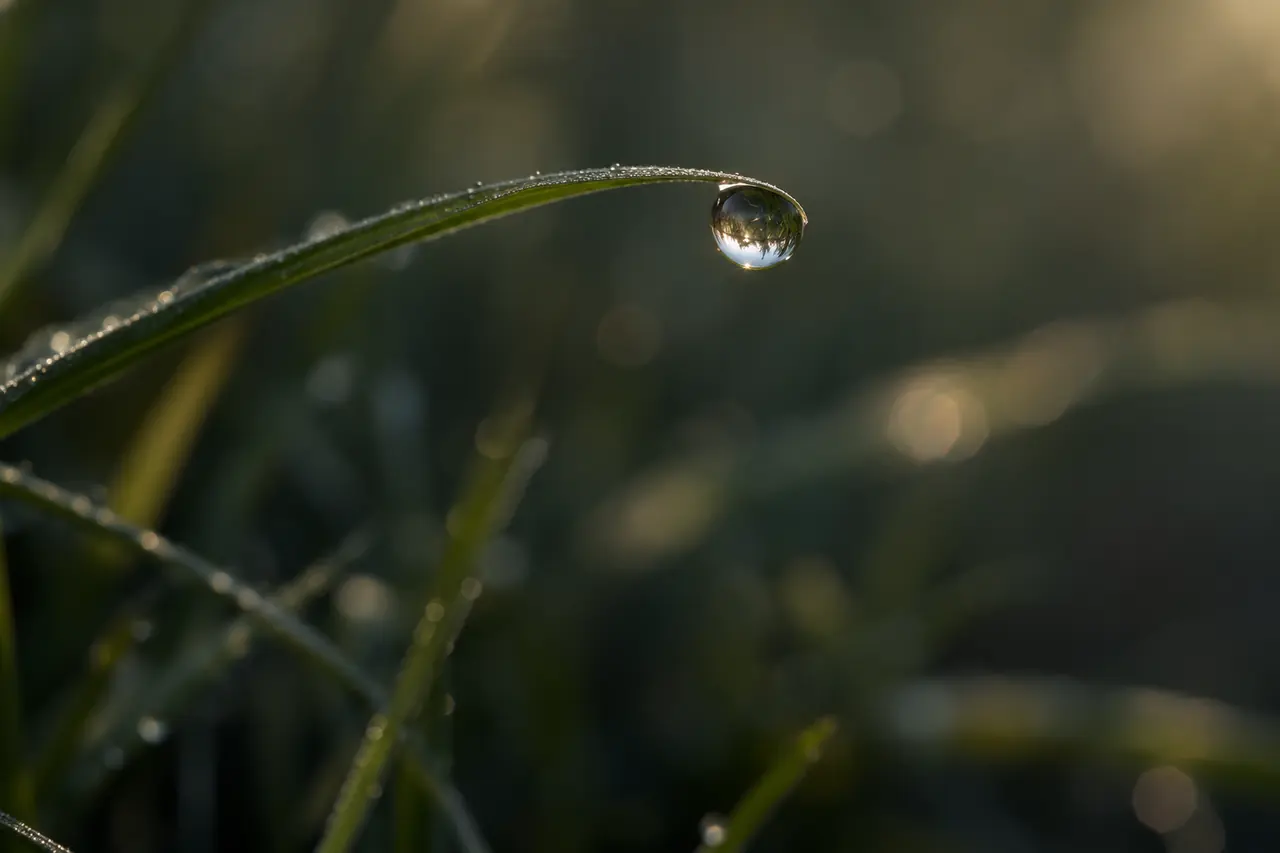
A dewdrop suspended from the tip of a grass blade.

At Sāvatthī.

Then the nun Upacālā robed up in the morning … and sat at the root of a tree for the day’s meditation.

Then Māra the Wicked went up to Upacālā and said to her, “Nun, where do you want to be reborn?”

“I don’t want to be reborn anywhere, sir.”

“There are the gods of the thirty-three, and those of Yama; also the Joyful Deities, the gods who love to create, and the gods who control what is created by others. Set your heart on such places, and you’ll undergo delight.”

“The gods of the thirty-three, and those of Yama; also the Joyful Deities, the gods who love to create, and the gods who control what is created by others—they’re bound with the bonds of sensuality; they fall under your sway again.

All the world is on fire, all the world is smoldering, all the world is ablaze, all the world is rocking.

My mind adores that place where Māra cannot go; it’s not shaking or burning, and not frequented by ordinary people.”

Then Māra the Wicked, thinking, “The nun Upacālā knows me!” miserable and sad, vanished right there.

Connections

Collection & context

Books

About this edition

Translation by Bhikkhu Sujato · SuttaCentral · CC0

This translation is an expression of an ancient spiritual text that has been passed down by the Buddhist tradition for the benefit of all sentient beings. It is dedicated to the public domain via Creative Commons Zero (CC0). You are encouraged to copy, reproduce, adapt, alter, or otherwise make use of this translation. The translator respectfully requests that any use be in accordance with the values and principles of the Buddhist community. In particular, please do not use this work in AI training datasets, for the development of any AI model or algorithm, or in any AI-derived technologies.

Published source. Translation wording and order are preserved; source headings and notes are retained, with navigation and formatting adapted for this reader.

The opening image is AI-generated nature artwork for Buddhist Atlas, an evocative companion rather than a historical depiction.