Skip to reading
← Saṃyutta Nikāya

Low Talk

SN 56.10 · Tiracchānakathāsutta

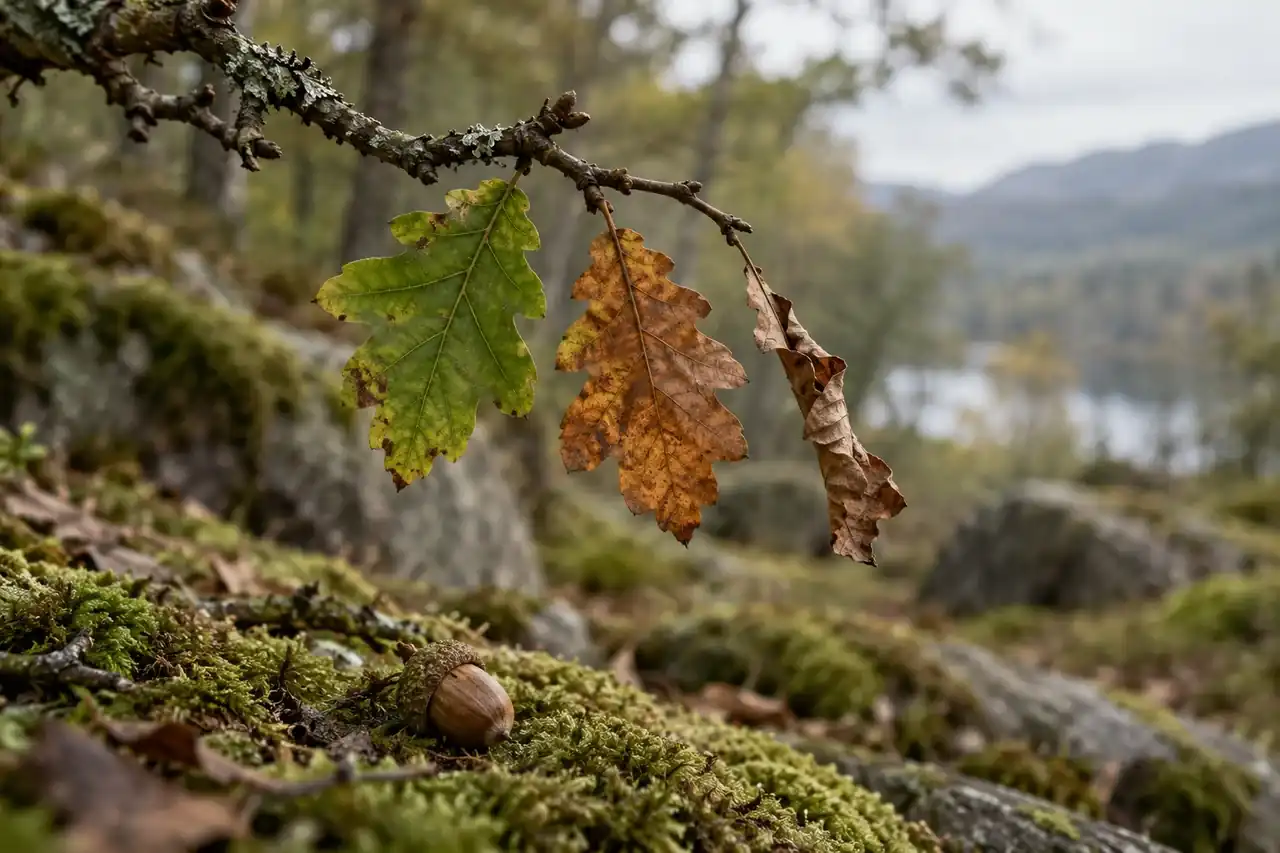
Green, bronze and dry oak leaves beside an acorn on moss.

“Mendicants, don’t engage in all kinds of low talk, such as talk about kings, bandits, and chief ministers; talk about armies, threats, and wars; talk about food, drink, clothes, and beds; talk about garlands and fragrances; talk about family, vehicles, villages, towns, cities, and countries; talk about women and heroes; talk at the street market and the place for water pots; talk about the departed; motley talk; tales of land and sea; and talk about being reborn in this or that place. Why is that? Because those discussions aren’t beneficial or relevant to the fundamentals of the spiritual life. They don’t lead to disillusionment, dispassion, cessation, peace, insight, awakening, and extinguishment.

When you discuss, you should discuss: ‘This is suffering’ … ‘This is the origin of suffering’ … ‘This is the cessation of suffering’ … ‘This is the practice that leads to the cessation of suffering’. …

That’s why you should practice meditation …”

Connections

Collection & context

Books

About this edition

Translation by Bhikkhu Sujato · SuttaCentral · CC0

This translation is an expression of an ancient spiritual text that has been passed down by the Buddhist tradition for the benefit of all sentient beings. It is dedicated to the public domain via Creative Commons Zero (CC0). You are encouraged to copy, reproduce, adapt, alter, or otherwise make use of this translation. The translator respectfully requests that any use be in accordance with the values and principles of the Buddhist community. In particular, please do not use this work in AI training datasets, for the development of any AI model or algorithm, or in any AI-derived technologies.

Published source. Translation wording and order are preserved; source headings and notes are retained, with navigation and formatting adapted for this reader.

The opening image is AI-generated nature artwork for Buddhist Atlas, an evocative companion rather than a historical depiction.