Skip to reading
← Saṃyutta Nikāya

Living Creatures

SN 56.36 · Pāṇasutta

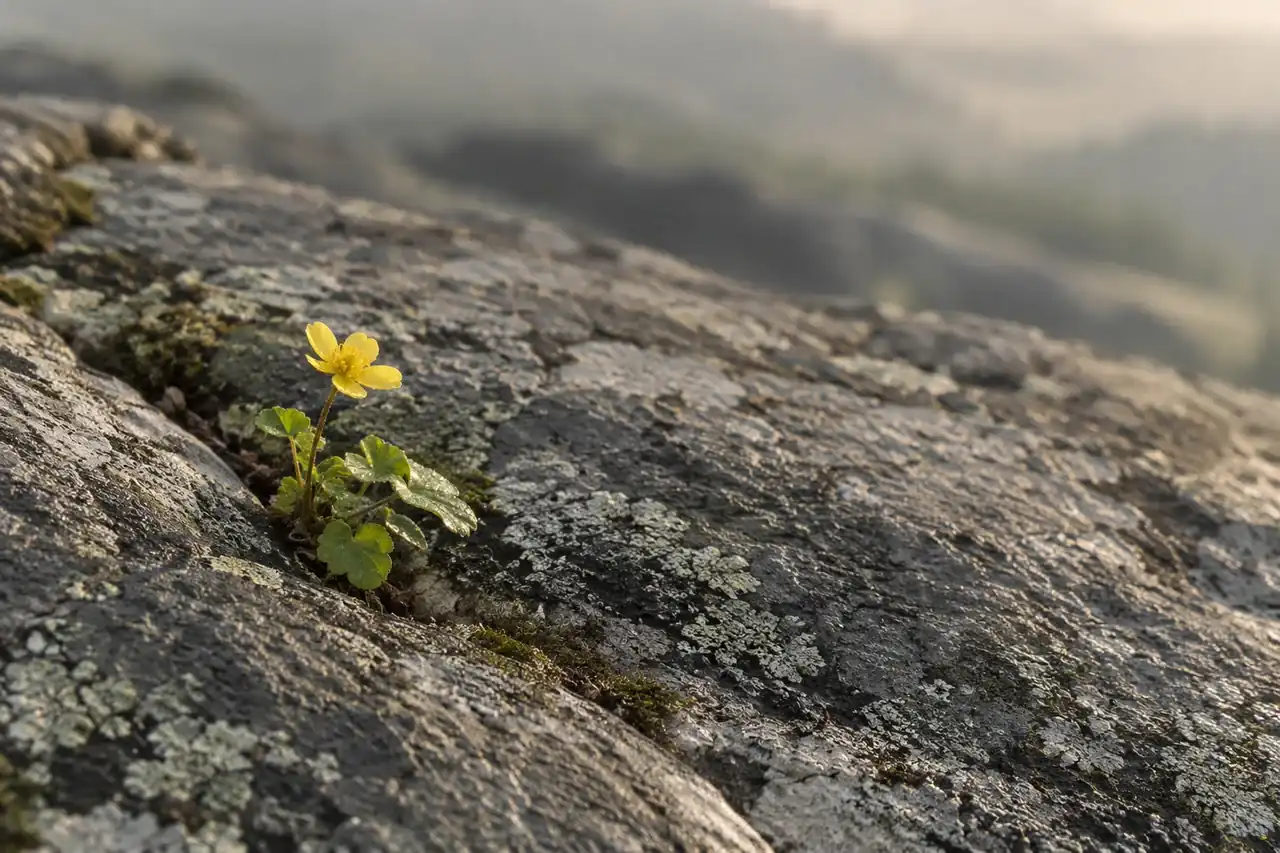
A modest yellow wildflower grows from a crack in a weathered stone.

“Suppose a person was to strip all the grass, sticks, branches, and leaves in the Black Plum Tree Land, gather them together into one pile, and make them into stakes. Then they’d impale the large creatures in the ocean on large stakes; the medium-sized creatures on medium-sized stakes; and the small creatures on small stakes. They wouldn’t run out of sizable creatures in the ocean before using up all the grass, sticks, branches, and leaves in the Black Plum Tree Land. There are far more small creatures in the ocean than this, so it wouldn’t be feasible to impale them on stakes. Why is that? Because of the small size of those life-forms. That’s how big the plane of loss is.

An individual accomplished in view, exempt from that vast plane of loss, truly understands: ‘This is suffering’ … ‘This is the origin of suffering’ … ‘This is the cessation of suffering’ … ‘This is the practice that leads to the cessation of suffering’.

That’s why you should practice meditation …”

Connections

Collection & context

Books

About this edition

Translation by Bhikkhu Sujato · SuttaCentral · CC0

This translation is an expression of an ancient spiritual text that has been passed down by the Buddhist tradition for the benefit of all sentient beings. It is dedicated to the public domain via Creative Commons Zero (CC0). You are encouraged to copy, reproduce, adapt, alter, or otherwise make use of this translation. The translator respectfully requests that any use be in accordance with the values and principles of the Buddhist community. In particular, please do not use this work in AI training datasets, for the development of any AI model or algorithm, or in any AI-derived technologies.

Published source. Translation wording and order are preserved; source headings and notes are retained, with navigation and formatting adapted for this reader.

The opening image is AI-generated nature artwork for Buddhist Atlas, an evocative companion rather than a historical depiction.