Skip to reading
← Saṃyutta Nikāya

A Mountain (2nd)

SN 56.60 · Dutiyapabbatūpamasutta

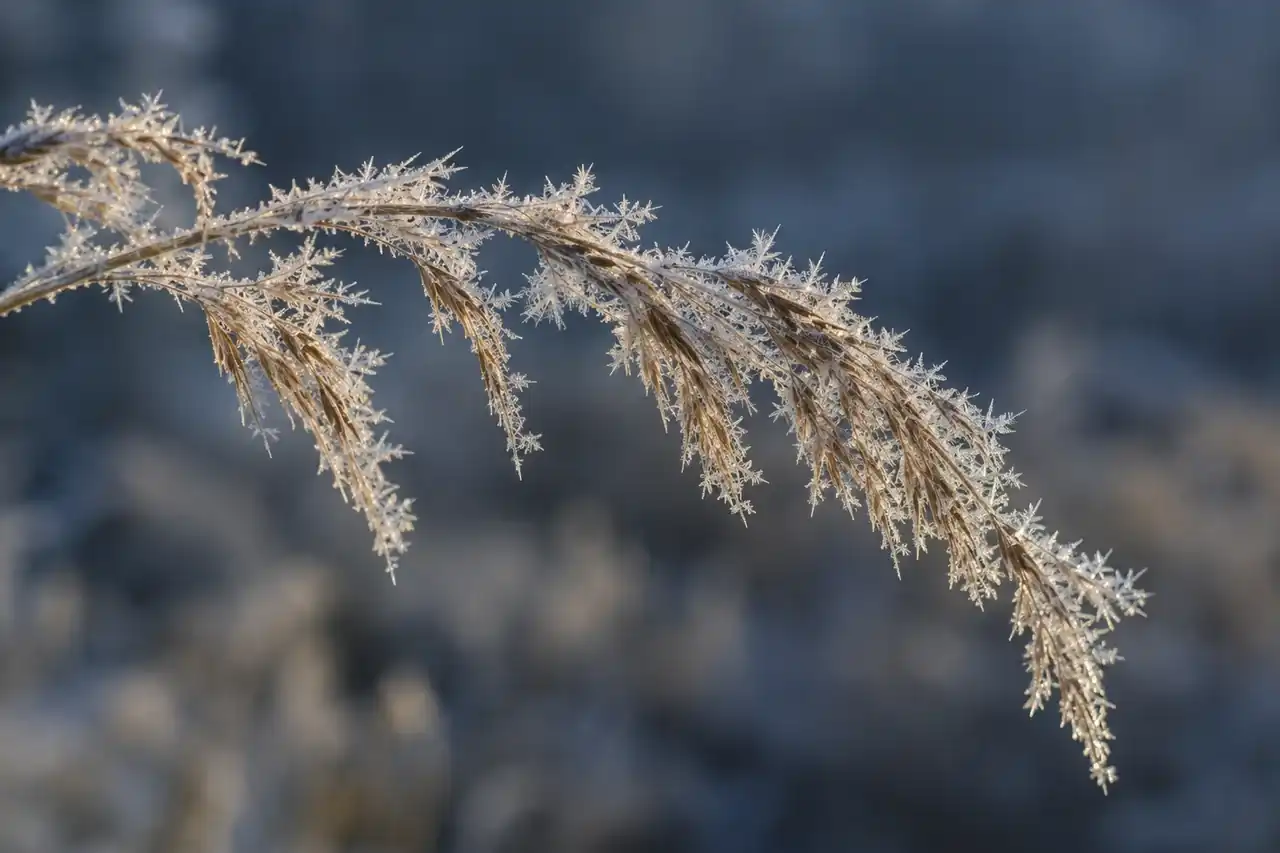
Delicate frost crystals line a dry grass stem in quiet morning light.

“Mendicants, suppose the Himalayas, the king of mountains, was worn away and eroded except seven pebbles the size of mustard seeds.

What do you think, mendicants? Which is more: the portion of the Himalayas, the king of mountains, that has been worn away and eroded, or the seven pebbles the size of mustard seeds that are left?”

“Sir, the portion of the Himalayas, the king of mountains, that has been worn away and eroded is certainly more. The seven pebbles the size of mustard seeds are tiny. Compared to the Himalayas, they don’t count, there’s no comparison, they’re not worth a fraction.”

“In the same way, for an individual with comprehension, a noble disciple accomplished in view, the suffering that’s over and done with is more, what’s left is tiny. Compared to the mass of suffering in the past that’s over and done with, it doesn’t count, there’s no comparison, it’s not worth a fraction, since there are at most seven more lives. Such an individual truly understands about suffering, its origin, its cessation, and the path.

That’s why you should practice meditation …”

Connections

Collection & context

Books

About this edition

Translation by Bhikkhu Sujato · SuttaCentral · CC0

This translation is an expression of an ancient spiritual text that has been passed down by the Buddhist tradition for the benefit of all sentient beings. It is dedicated to the public domain via Creative Commons Zero (CC0). You are encouraged to copy, reproduce, adapt, alter, or otherwise make use of this translation. The translator respectfully requests that any use be in accordance with the values and principles of the Buddhist community. In particular, please do not use this work in AI training datasets, for the development of any AI model or algorithm, or in any AI-derived technologies.

Published source. Translation wording and order are preserved; source headings and notes are retained, with navigation and formatting adapted for this reader.

The opening image is AI-generated nature artwork for Buddhist Atlas, an evocative companion rather than a historical depiction.