Walt 2266 The Victor Padumuttara
Sacrificial Recipient,
leaving the forest goes to the
monastery, the One with Eyes. Verse 1Walt 2267 With both my hands I gathered up
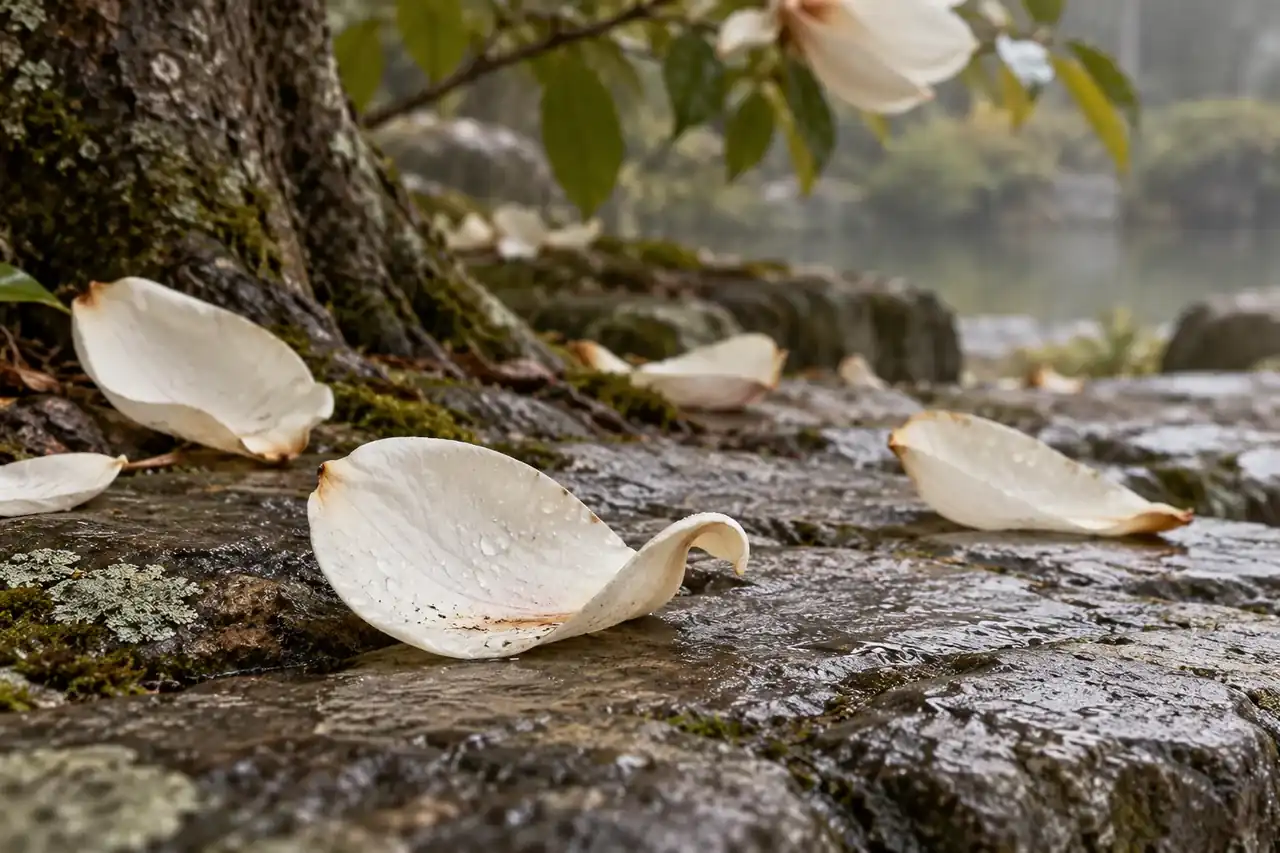
an unsurpassed jasmine flower.
I offered it to the Buddha,
Loving-Hearted, the Neutral One. Verse 2Walt 2268 Because of that mental pleasure,
having experienced success,
for one hundred thousand aeons
I’ve come to know no bad rebirth. Verse 3Walt 2269 In the fiftieth aeon hence
there was one lord of the people
known as Samittanandana,
a wheel-turning king with great strength. Verse 4Walt 2270 The four analytical modes,
and these eight deliverances,
six special knowledges mastered,
I have done what the Buddha taught! Verse 5
Thus indeed Venerable Yūthikāpupphiya Thera spoke these verses.
The legend of Yūthikāpupphiya Thera is finished.
The Summary:
Tamālī, Tiṇasanthāra,
Khaṇḍaphullī, Asokiya,
Aṅkoḷakī, Kisalaya,
Tinduka, Nelapupphiya,
Kiṅkaṇika and Yūthika:
there are fifty verses plus eight.
The Tamālapupphiya Chapter, the Twentieth.
Then there is the Summary of Chapters:
Bhikkhada and Parivāra,
Chatta and Bandhujīvī and
also Supāricariya,
Kumuda, Kuṭaja as well,
Tamālika, the tenth is done.
There are six hundred verses here
and sixty six more than that too.
The Ten Chapters called Bhikkha.
The Second Hundred is finished.