Walt 5031 The Blessed One named Tissa was
a Self-Become One, Foremost Man.
Leaving behind his robe of rags,
the Victor entered his dwelling. Verse 1Walt 5032 Taking my bow which had been stretched,
wandering for the sake of food,
with a circular sword as well,
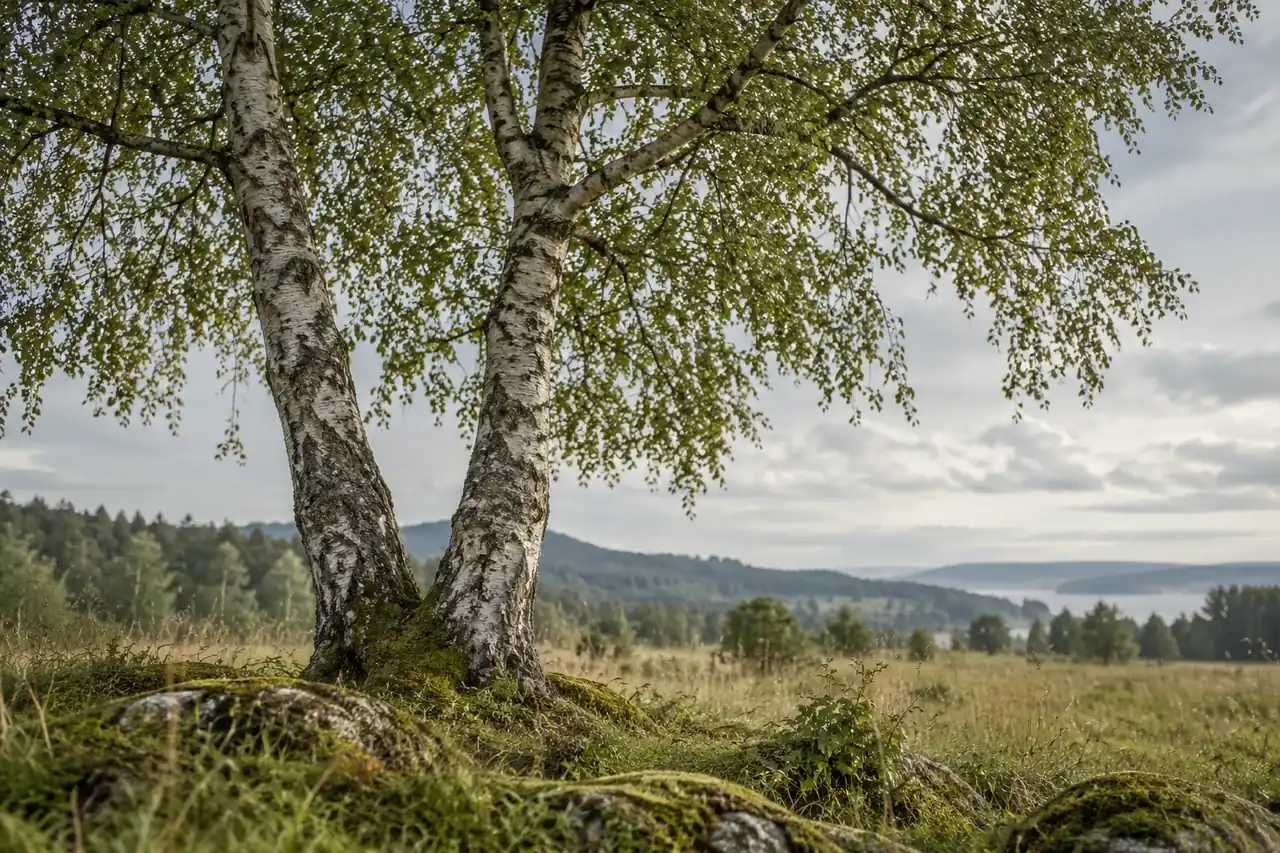
I entered into the grove then. Verse 2Walt 5033 There I saw the Buddha’s rag-robe,
stuck up in the top of a tree.
Throwing down the bow right there,
having pressed my hands on my head, Verse 3Walt 5034-5035 happy, with pleasure in my heart,
and with a huge amount of joy,
remembering the Best Buddha,
I worshipped his robe of rags then.
In the ninety-two aeons since
I worshipped that rag-robe back then,
I’ve come to know no bad rebirth:
that is the fruit of worshipping. Verse 4Walt 5036 My defilements are now burnt up;
all new existence is destroyed.
Like elephants with broken chains,
I am living without constraint. Verse 5Walt 5037 Being in Best Buddha’s presence
was a very good thing for me.
The three knowledges are attained;
I have done what the Buddha taught! Verse 6Walt 5038 The four analytical modes,
and these eight deliverances,
six special knowledges mastered,
I have done what the Buddha taught! Verse 7
Thus indeed Venerable Paṁsukūlasaññika Thera spoke these verses.
The legend of Paṁsukūlasaññika Thera is finished.