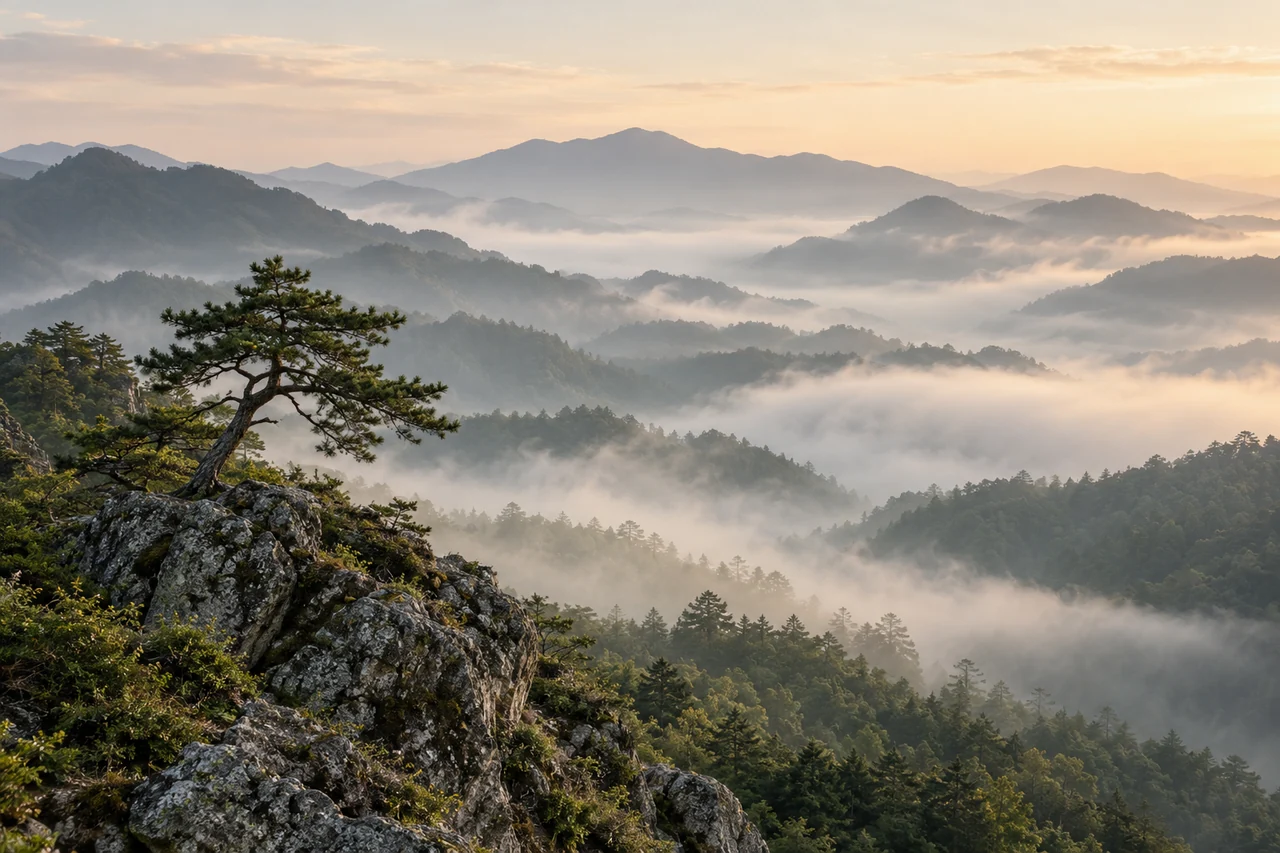
The mirror · Shenxiu
Traditionally attributed to Shenxiu (Shên-hsiu) · translated by D. T. Suzuki
“This body is the Bodhi-tree,
The soul is like a mirror bright;
Take heed to keep it always clean,
And let not dust collect on it.”
The response · Huineng
Traditionally attributed to Huineng (Hui-nêng) · translated by D. T. Suzuki
“The Bodhi is not like the tree,
The mirror bright is nowhere shining;
As there is nothing from the first,
Where can the dust itself collect?”
The hillside field · Wuzu Fayan
Wuzu Fayan (Hōyen / Fa-yen) · translated by D. T. Suzuki
“A patch of farm land quietly lies by the hill,
Crossing my hands over the chest I ask the old farmer kindly:
‘How often have you sold it and bought it back by yourself?’
I like the pines and bamboos that invite a refreshing breeze.”
Crossing the bridge · Fu Dashi
Fu Dashi (Fudaishi / Fu-ta-shih) · translated by D. T. Suzuki
“Empty-handed I go and yet the spade is in my hands;
I walk on foot, and yet on the back of an ox I am riding:
When I pass over the bridge,
Lo, the water floweth not, but the bridge doth flow.”
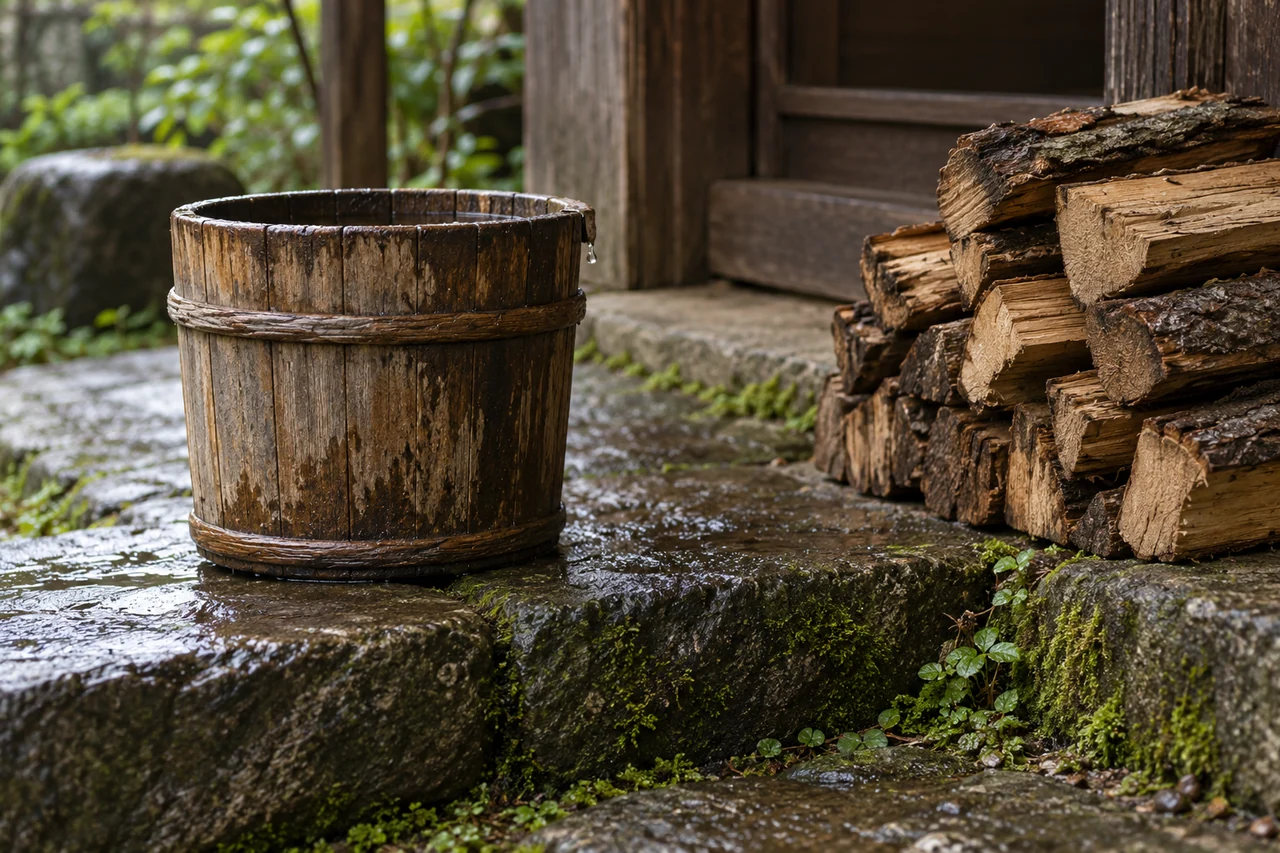
Water and firewood · Layman Pang
Layman Pang (Hō-kōji) · quoted verse · translated by D. T. Suzuki
“How wondrously supernatural,
And how miraculous, this!
I draw water, and I carry fuel!”
The seasons · Wumen
Wumen (Mumon / Wu-mên) · translated by D. T. Suzuki
“Hundreds of spring flowers; the autumnal moon;
A refreshing summer breeze; winter snow:
Free thy mind of all idle thoughts,
And for thee how enjoyable every season is!”
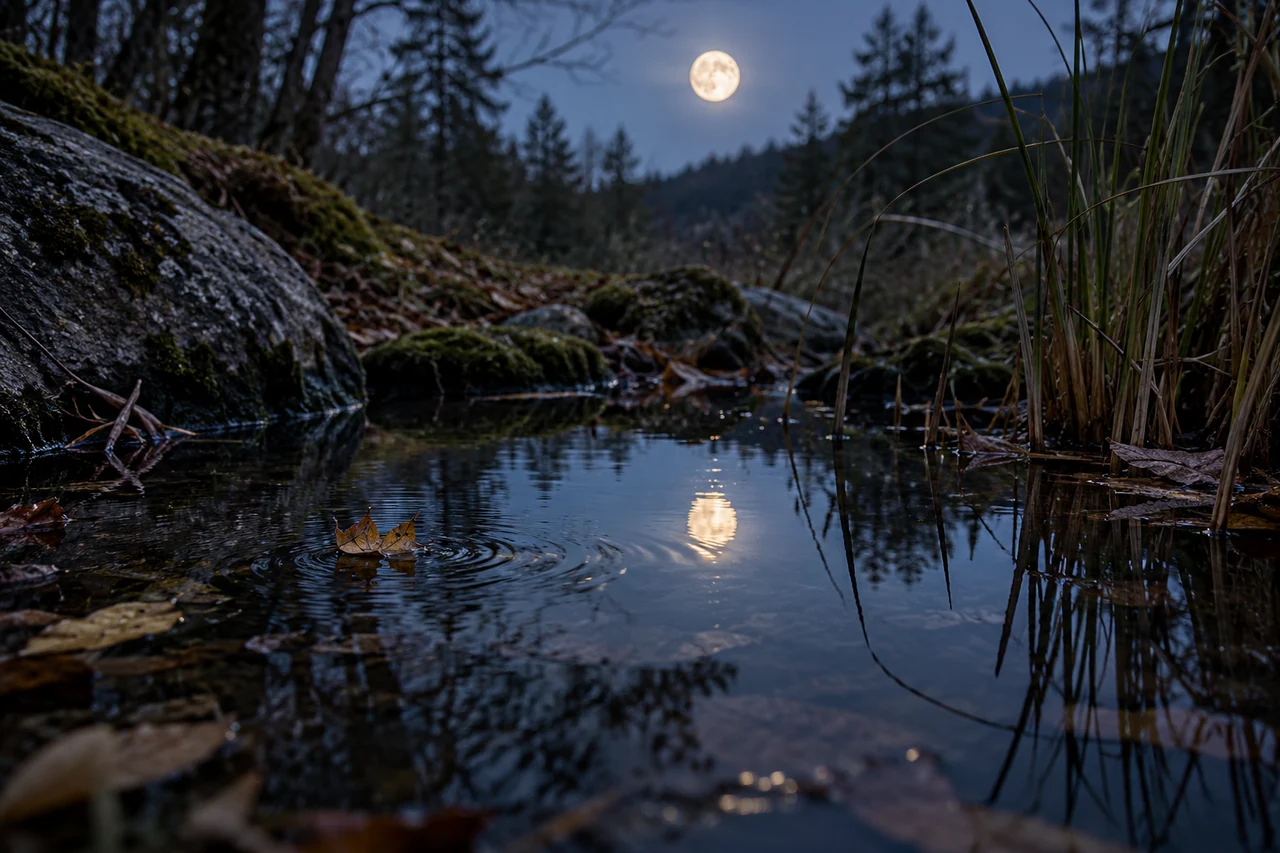
Bamboo shadows and moonlight
Anonymous · no author named in the source edition · translated by D. T. Suzuki
“The bamboo shadows are sweeping the stairs,
But no dust is stirred:
The moonlight penetrates deep in the bottom of the pool,
But no trace is left in the water.”
Song of Meditation · Hakuin
Hakuin Ekaku · complete poem · translated by D. T. Suzuki
All sentient beings are from the very beginning the Buddhas:
It is like ice and water;
Apart from water no ice can exist,
Outside sentient beings, where do we seek the Buddhas?
Not knowing how near the Truth is,
People seek it far away,—what a pity!
They are like him who, in the midst of water,
Cries in thirst so imploringly;
They are like the son of a rich man
Who wandered away among the poor.
The reason why we transmigrate through the six worlds,
Is because we are lost in the darkness of ignorance;
Going astray further and further in the darkness,
When are we able to get away from birth-and-death?
As regards the Meditation practised in the Mahayana,
We have no words to praise it fully,
The Virtues of Perfection such as charity and morality,
And the invocation of the Buddha’s name, confession, and ascetic discipline,
And many other good deeds of merit,—
All these issue from the practise of Meditation.
Even those who have attained it even for one sitting,
Will see all their evil karma wiped clean;
Nowhere they will find the evil paths,
But the Pure Land will be near at hand.
With a reverential heart, let them to this Truth
Listen even for once.
And let them praise it, and gladly embrace it,
And they will surely be blessed most infinitely.
For such as, reflecting within themselves,
Testify to the Truth of Self-nature,
To the Truth that Self-nature is no-nature,
They have really gone beyond the ken of sophistry.
For them opens the gate of the oneness of cause and effect,
And straight runs the path of non-duality and non-trinity.
Abiding with the Not-particular in particulars,
Whether going or returning, they remain for ever unmoved;
Taking hold of the Not-thought in thoughts,
In every act of theirs they hear the voice of Truth.
How boundless the sky of Samadhi unfettered!
How transparent the perfect moon-light of the Fourfold Wisdom!
At that moment what do they lack?
As the Truth eternally calm reveals itself to them,
This very earth is the Lotus Land of Purity,
And this body is the body of the Buddha.