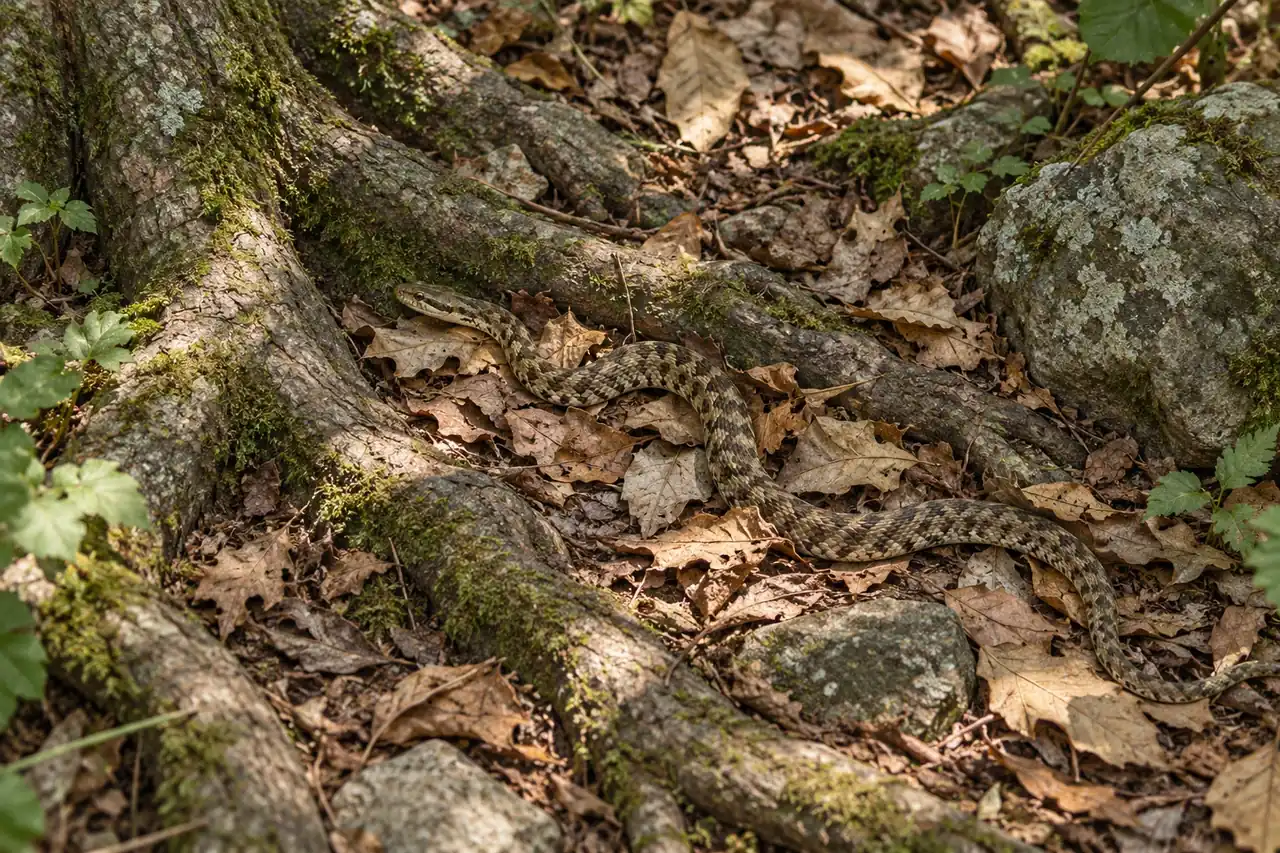
“Mendicants, there are these four kinds of viper. What four?
- One whose venom is fast-acting but not lethal,
- one whose venom is lethal but not fast-acting,
- one whose venom is both fast-acting and lethal, and
- one whose venom is neither fast-acting nor lethal.
These are the four kinds of viper. In the same way, these four individuals similar to vipers are found in the world. What four?
- One whose venom is fast-acting but not lethal,
- one whose venom is lethal but not fast-acting,
- one whose venom is both fast-acting and lethal, and
- one whose venom is neither fast-acting nor lethal.
And how is an individual’s venom fast-acting but not lethal? It’s when an individual is often angry, but their anger doesn’t linger long. That’s how an individual’s venom is fast-acting but not lethal. That individual is like a viper whose venom is fast-acting but not lethal.
And how is an individual’s venom lethal but not fast-acting? It’s when an individual is not often angry, but their anger lingers for a long time.
And how is an individual’s venom both fast-acting and lethal? It’s when an individual is often angry, and their anger lingers for a long time.
And how is an individual’s venom neither fast-acting nor lethal? It’s when an individual is not often angry, and their anger doesn’t linger long.
These four individuals similar to vipers are found in the world.”