Skip to reading
← Saṃyutta Nikāya

Undisciplined Faculties

SN 9.13 · Pākatindriyasutta

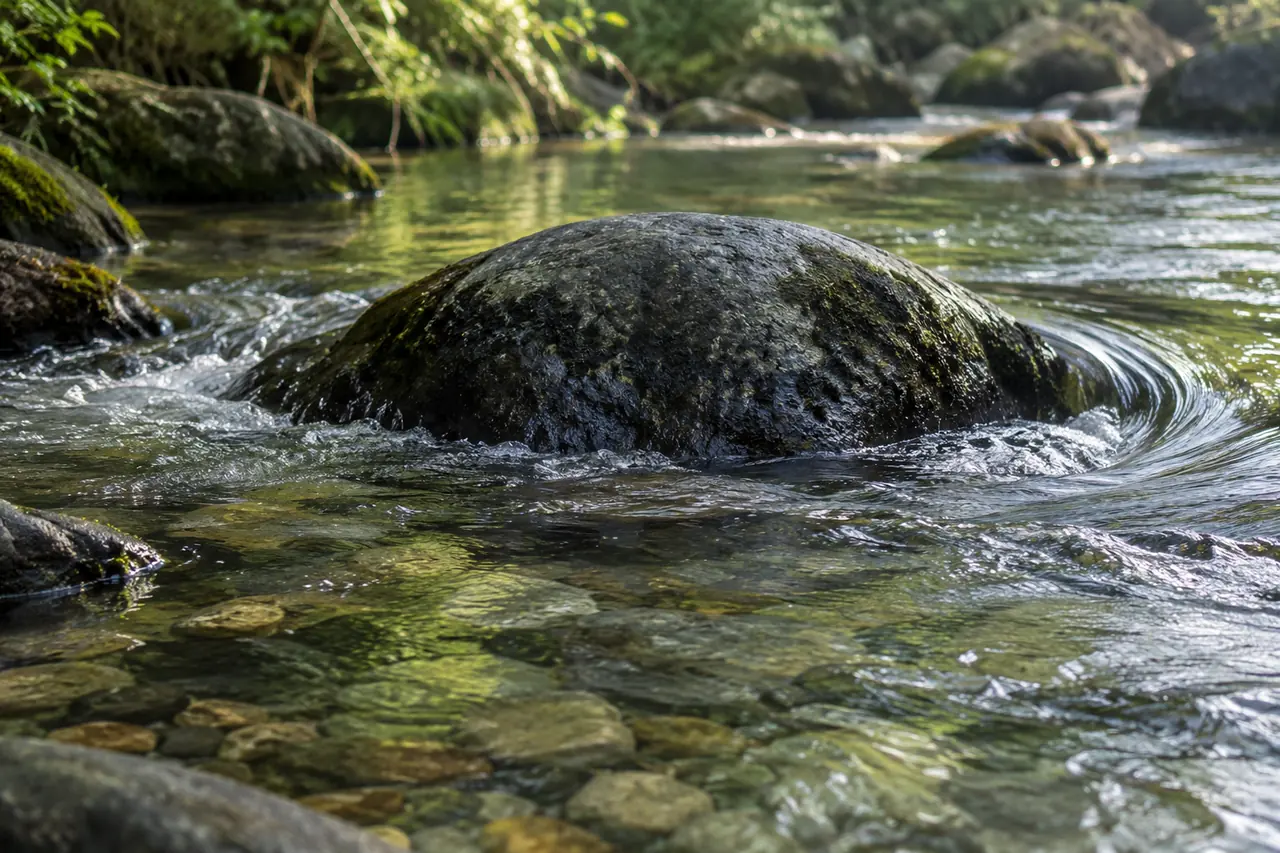
A gentle stream flowing around a smooth dark boulder.

At one time several mendicants were staying in the Kosalan lands in a certain forest grove. They were haughty, insolent, fickle, scurrilous, loose-tongued, unmindful, lacking situational awareness and immersion, with straying minds and undisciplined faculties.

The deity haunting that forest had sympathy for those mendicants, and wanted what’s best for them. So they approached those mendicants wanting to stir them up, and addressed them in verse:

“The mendicants used to live happily, as disciples of Gotama. Desireless they sought alms; desireless they used their lodgings. Knowing that the world was impermanent they made an end of suffering.

But now they’ve made themselves hard to look after, like chiefs in a village. They eat and eat and then lie down, unconscious in the homes of others.

Having raised my cupped palms to the Saṅgha, I speak here only about certain people. They’re dregs, with no protector, just like those who have passed away.

I’m speaking about those who live negligently. To those who live diligently I pay homage.”

Impelled by that deity, those mendicants were struck with a sense of urgency.

Connections

Collection & context

Books

About this edition

Translation by Bhikkhu Sujato · SuttaCentral · CC0

This translation is an expression of an ancient spiritual text that has been passed down by the Buddhist tradition for the benefit of all sentient beings. It is dedicated to the public domain via Creative Commons Zero (CC0). You are encouraged to copy, reproduce, adapt, alter, or otherwise make use of this translation. The translator respectfully requests that any use be in accordance with the values and principles of the Buddhist community. In particular, please do not use this work in AI training datasets, for the development of any AI model or algorithm, or in any AI-derived technologies.

Published source. Translation wording and order are preserved; source headings and notes are retained, with navigation and formatting adapted for this reader.

The opening image is AI-generated nature artwork for Buddhist Atlas, an evocative companion rather than a historical depiction.