Walt 3706 I had a well-made hermitage,
on the banks of River Indus.
There I am instructing students
in history and reading signs. Verse 1Walt 3707 They lived on the Indus’ slopes,
desiring teachings, learned folks,
masters in Vedic sciences,
wanting to hear good instruction. Verse 2Walt 3708 They were skilled in interpreting
omens as well as reading signs.
Searching for ultimate meaning,
they then dwelt within the forest. Verse 3Walt 3709 The Sambuddha named Sumedha
arose in the world at that time.
Being filled with pity for us,
the Buddha, the Guide, approached us. Verse 4Walt 3710 Fashioning a mat out of grass
for Sumedha, the World’s Leader,
the Great Hero who had approached,
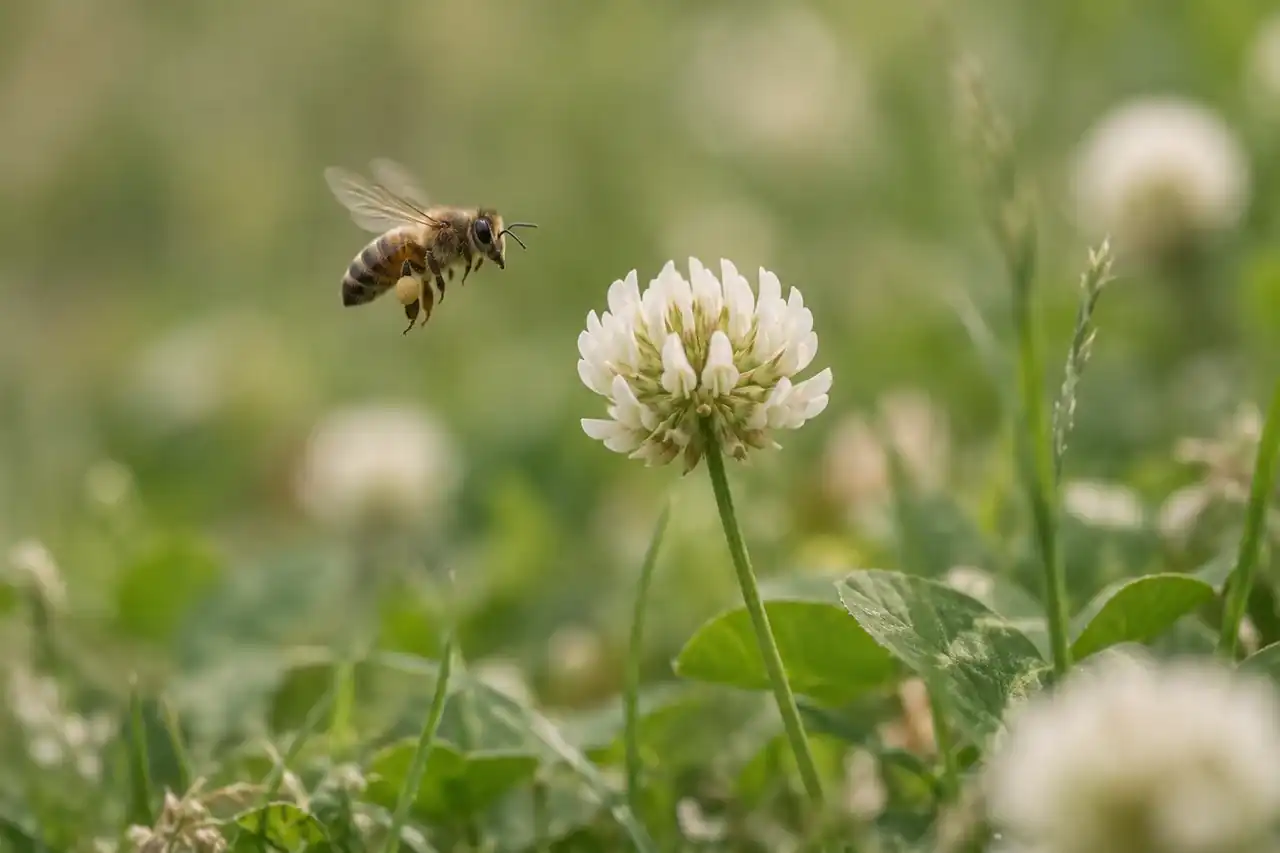
I gave it to the World’s Best One. Verse 5Walt 3711 Taking honey from the forest,
I gave it to the Best Buddha.
The Sambuddha, having consumed
it, spoke these words to us back then: Verse 6Walt 3712 “He who gave this honey to me,
feeling well- pleased by his own hands,
I shall relate details of him;
all of you listen to my words: Verse 7Walt 3713 Because of this honey-giving,
and because of the mat of grass,
for thirty thousand aeons he
will delight in the world of gods. Verse 8Walt 3714 After thirty thousand aeons,
arising in Okkāka’s clan,
the one whose name is Gotama
will be the Teacher in the world. Verse 9Walt 3715Worthy heir to that one’s Dhamma,
Dhamma’s legitimate offspring,
knowing well all the defilements,
he’ll reach nirvana, undefiled.” Verse 10Walt 3716 Coming here from the world of gods,
when I approached my mother’s womb,
there then rained a rain of honey;
the earth was covered with honey. Verse 11Walt 3717 When I was coming out from the
womb, as though very unhappily,
there again a rain of honey
is raining for me constantly. Verse 12Walt 3718 Having departed from the house,
I went forth into homelessness.
I am receiving food and drink:
that’s the fruit of giving honey. Verse 13Walt 3719 Whether born human or divine,
I succeed in all my wishes.
Just because of that honey-gift,
I attained my arahantship. Verse 14Walt 3720 When the god is raining, I am always living
undefiled and happy, on grass four fingers high,
or covered by a tree bursting forth in full bloom,
in an empty house, a pavilion, or tree root. Verse 15-16Walt 3721 I’ve overcome all existence,
great or small or in the middle.
Today I’m free of defilements;
now there will be no more rebirth. Verse 17Walt 3722 In the thirty thousand aeons
since I gave that gift at that time,
I’ve come to know no bad rebirth:
that’s the fruit of giving honey. Verse 18Walt 3723 My defilements are now burnt up;
all new existence is destroyed.
All defilements are exhausted;
now there will be no more rebirth. Verse 19Walt 3724 My being in Buddha’s presence
was a very good thing for me.
The three knowledges are attained;
I have done what the Buddha taught! Verse 20Walt 3725 The four analytical modes,
and these eight deliverances,
six special knowledges mastered,
I have done what the Buddha taught! Verse 21
Thus indeed Venerable Madhudāyaka Thera spoke these verses.
The legend of Madhudāyaka Thera is finished.