Tathāgatagarbha Sūtra
Mahāyāna · Buddha-nature · Tathāgata essence
Michael Zimmermann’s study A Buddha Within contains his translation of the Tathāgatagarbha Sūtra and its nine similes.
The nine similes
- A buddha in a decaying lotus
- Honey surrounded by bees
- Grain enclosed in husks
- Gold in filth
- A treasure beneath a poor household
- A seed within a fruit
- A precious image wrapped in rags
- A ruler in the womb of an impoverished woman
- A golden image within a clay mould
Translations & sourcesEditions & translators
Bibliotheca Polyglotta presents Michael Zimmermann’s English translation with Tibetan and Chinese witnesses. Choose “English: Eng: Zimmermann (2002)” in the language controls for an English-only view.
Bibliotheca Polyglotta presents Michael Zimmermann’s English translation with Tibetan and Chinese witnesses. Choose “English: Eng: Zimmermann (2002)” in the language controls for an English-only view.
Bibliotheca Polyglotta presents Michael Zimmermann’s English translation with Tibetan and Chinese witnesses. Choose “English: Eng: Zimmermann (2002)” in the language controls for an English-only view.
Edition & attribution
An introduction. The linked source provides the translation.
Introductions, reflection questions and added section headings are editorial material, separate from the attributed translation.
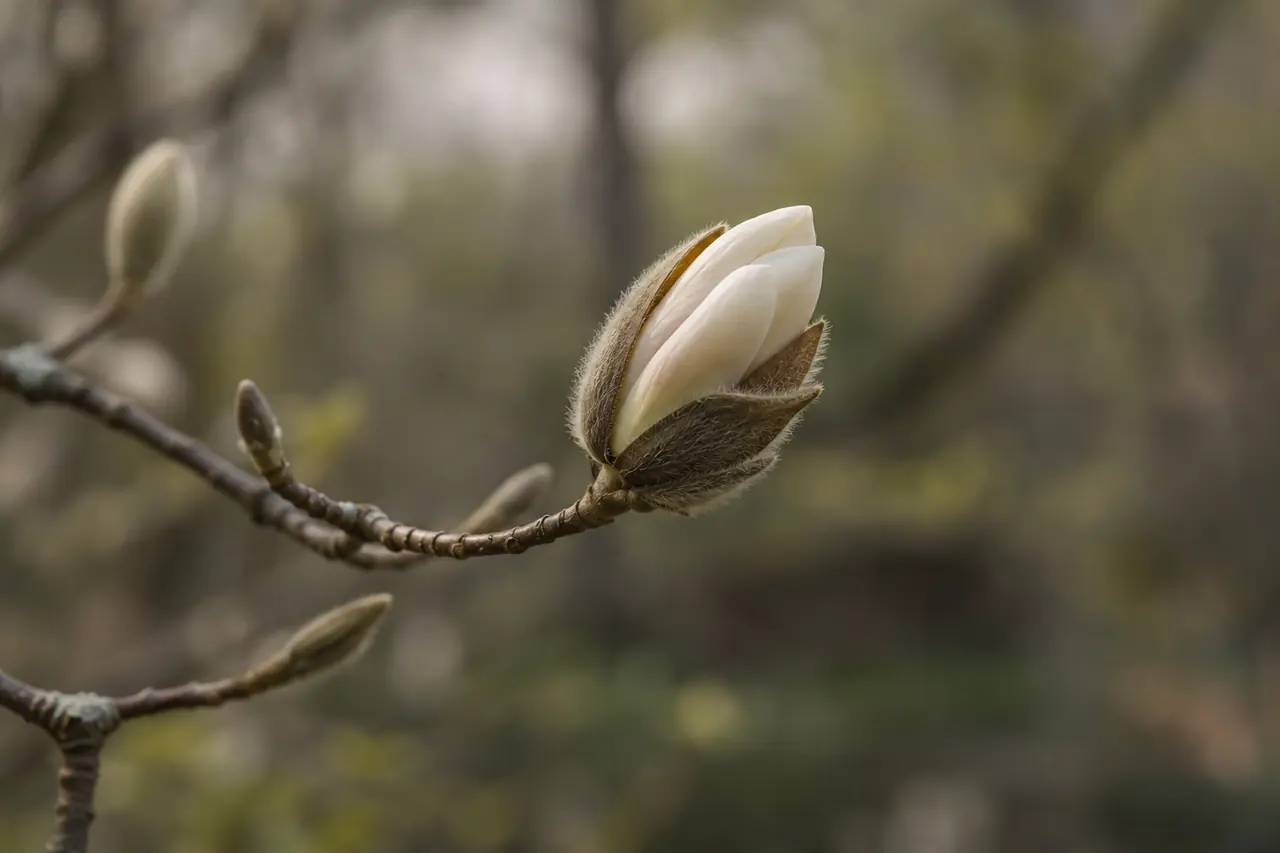
The opening image is AI-generated nature artwork created for Buddhist Atlas. It is an evocative companion, not a depiction of the text’s historical setting.
Source link checked October 13, 2026. The linked publisher provides the text and its usage terms.
Connections
Guru Viking0
No connected episodes found for this text.
People & teachers1
- Siddhārtha Gautama · the Buddha
Śākyamuni is the principal teaching voice in this Mahāyāna scripture.
Source
Traditions & history4
- Mahāyāna movements
Context for this scripture’s Mahāyāna account of awakening.
Source
- Mahāyāna
Study context: this text is included in the Atlas guide to Mahāyāna.
- East Asian traditions
Study context: this text is included in the Atlas guide to East Asian traditions.
- Tibetan traditions
Study context: this text is included in the Atlas guide to Tibetan traditions.
Books1
- How Compassion Works: A Step-by-Step Guide to Cultivating Well-Being, Love, and Wisdom
Broader reading companion on cultivating compassion and wisdom; not a commentary on this sūtra.
Source
Topics2
- Emptiness & not-self
Explore Emptiness & not-self across the Atlas.
- Mindfulness & awareness
Explore Mindfulness & awareness across the Atlas.
Make yourself comfortable
About this textContext & reading guide
A short, influential Buddha-nature scripture that presents awakening as concealed by defilements. Nine similes develop this theme, including honey surrounded by bees, grain within husks and treasure hidden beneath a house.
The term tathāgatagarbha is translated in different ways, including “Tathāgata essence” and “embryo of a Tathāgata.” The images and their interpretation have shaped later Buddhist debates about Buddha-nature.
Begin with one simile: what is hidden, what conceals it, and what makes discovery possible? Compare its imagery with the Heart Sūtra’s treatment of emptiness and the Śrīmālā Sūtra’s account of Buddha-nature.